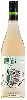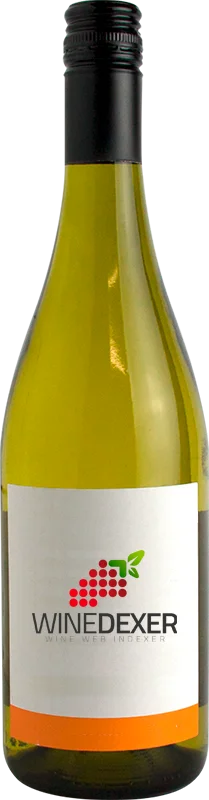
Winery Ivo VarbanovL'Elisir d'Amore Viognier
 White wine



This wine generally goes well with pork, poultry or game (deer, venison).

Wine flavors and olphactive analysis




On the nose the L'Elisir d'Amore Viognier of Winery Ivo Varbanov in the region of Thracian Valley often reveals types of flavors of non oak, earth or microbio and sometimes also flavors of oak, tree fruit or spices.
Food and wine pairings with L'Elisir d'Amore Viognier
Pairings that work perfectly with L'Elisir d'Amore Viognier



Original food and wine pairings with L'Elisir d'Amore Viognier



The L'Elisir d'Amore Viognier of Winery Ivo Varbanov matches generally quite well with dishes of pork, game (deer, venison) or shellfish such as recipes of roast pork with mustard and honey, duck breast with peaches and spices or clams in white wine.
Details and technical informations about Winery Ivo Varbanov's L'Elisir d'Amore Viognier.
Discover the grape variety: Viognier
Opulent, heady whites, rich and silky, with intense aromas of apricot, yellow peach, mango, violet, honeysuckle and musky, honeyed notes. Discreet acidity, creamy finish. Star of Condrieu AOC and Château-Grillet AOC, co-vinified in Côte-Rôtie with Syrah (up to 20%). Widely exported to California (Central Coast), Australia (Eden Valley) and Languedoc. A Rhône variety.
Last vintages of this wine
The best vintages of L'Elisir d'Amore Viognier from Winery Ivo Varbanov are 2017, 0
Informations about the Winery Ivo Varbanov
The Winery Ivo Varbanov is one of of the world's great estates. It offers 30 wines for sale in the of Thracian Valley to come and discover on site or to buy online.

The wine region of Thracian Valley
Bulgaria's largest wine region, land of identity-driven reds. Signature Mavrud around Plovdiv: a structured, tannic red with notes of blackberry, candied plum, dry herbs, leather and spices, long ageing. Fleshy, deep Rubin (Nebbiolo × Syrah cross), supple, fruity Pamid, dense Melnik 55. Aromatic Red Misket whites (rose, citrus).
The word of the wine: Old vines
There are no specific regulations governing the term "vieilles vignes". After 20 to 25 years, the yields stabilize and tend to decrease, the vines are deeply rooted, and the grapes that come from them give richer, more concentrated, more sappy wines, expressing with more nuance the characteristics of their terroir. It is possible to find plots of vines that claim to be a century old.