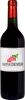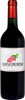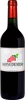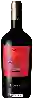
Winery Villa CornaroMaturato in Barrique Merlot
 Red wine
In the mouth this red wine is a powerful.
This wine generally goes well with beef, game (deer, venison) or lamb.

Taste structure of the Maturato in Barrique Merlot from the Winery Villa Cornaro
Light | Bold | |
Smooth | Tannic | |
Dry | Sweet | |
Soft | Acidic |
In the mouth the Maturato in Barrique Merlot of Winery Villa Cornaro in the region of Veneto is a powerful.
Food and wine pairings with Maturato in Barrique Merlot
Pairings that work perfectly with Maturato in Barrique Merlot



Original food and wine pairings with Maturato in Barrique Merlot

The Maturato in Barrique Merlot of Winery Villa Cornaro matches generally quite well with dishes of beef, pasta or lamb such as recipes of quick beef bourguignon, pasta stuffed with meat or risotto of penne with chorizo and merguez.
Details and technical informations about Winery Villa Cornaro's Maturato in Barrique Merlot.
Discover the grape variety: Merlot
Round and fleshy reds with a velvety texture, showing aromas of ripe plum, black cherry, cocoa and truffle notes with age. Supple tannins, generous alcohol, indulgent finish. Pillar of Libournais (Pomerol with Pétrus, Saint-Émilion with Cheval Blanc and Ausone) and signature of Super Tuscans, Italian Wales and Washington State. A cross of Cabernet Franc × Magdeleine Noire, France's most planted red variety.
Informations about the Winery Villa Cornaro
The Winery Villa Cornaro is one of of the world's greatest estates. It offers 26 wines for sale in the of Veneto to come and discover on site or to buy online.

The wine region of Veneto
World star of Prosecco: fresh, light Glera sparklers with notes of pear, green apple and white flowers, fruity, convivial bubbles. Veronese reds from Corvina and Rondinella: light, crisp Bardolino, fruity Valpolicella, opulent, concentrated Amarone DOCG (black cherry, chocolate, raisin) from dried grapes. Mineral, almondy Soave (Garganega) whites, fresh Pinot Grigio. 97,500 ha, Italy's largest production.
The word of the wine: Presses
The juice that results from pressing the grapes after fermentation. At the end of the maceration, the vats are emptied, the first juice obtained is called the free-run wine and the marc remaining at the bottom of the vat is then pressed to give the press wine. We say more quickly "the presses". Their quality varies according to the vintage and the maceration. A too vigorous extraction releases the tannins of pips and the wine of press can then prove to be very astringent. Often the winemaker raises it separately, deciding later whether or not to incorporate it totally or partially into the grand vin.