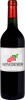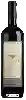
Terranova WineryCabernet Sauvignon
 Red wine


This wine generally goes well with poultry, beef or lamb.
Food and wine pairings with Cabernet Sauvignon
Pairings that work perfectly with Cabernet Sauvignon



Original food and wine pairings with Cabernet Sauvignon

The Cabernet Sauvignon of Terranova Winery matches generally quite well with dishes of beef, lamb or spicy food such as recipes of thai beef skewers, irish stew with beer or traditional lamb couscous (from algeria).
Details and technical informations about Terranova Winery's Cabernet Sauvignon.
Discover the grape variety: Cabernet-Sauvignon
Cabernet-Sauvignon noir is a grape variety that originated in France (Bordeaux). It produces a variety of grape specially used for wine making. It is rare to find this grape to eat on our tables. This variety of grape is characterized by small bunches, and small grapes. Cabernet-Sauvignon noir can be found in many vineyards: South-West, Loire Valley, Languedoc & Roussillon, Cognac, Bordeaux, Armagnac, Rhone Valley, Provence & Corsica, Savoie & Bugey, Beaujolais.
Last vintages of this wine
The best vintages of Cabernet Sauvignon from Terranova Winery are 0
Informations about the Terranova Winery
The Terranova Winery is one of of the world's greatest estates. It offers 12 wines for sale in the of Galilee to come and discover on site or to buy online.

The wine region of Galilee
Galilee is an administrative and wine region in Northern Israel. Its name is perhaps most widely recognized in the context of Lake Galilee, via its associations with the Bible, but it is now steadily becoming known as a wine region. 'Water into wine' is not a New theme for the Galilee region as the story of the wedding at Cana, in which Jesus turns water into wine, is widely thought to have its origins here. The Galilee (Galil in Hebrew) is located in the northern most reach of the couunty, with Golan Heights to the east and the Coastal Plains to the west.
The word of the wine: Ugni blanc
White grape variety of Italian origin, and the main white variety grown in France. Its large bunches give fine, light and lively wines, suitable for distillation: today it is the main variety for making cognac and armagnac. Ugni blanc, which is a little richer in alcohol when grown in Mediterranean regions, is used in the blending of the Provence and Corsica appellations, often in association with other grape varieties that bring aromas and structure, such as clairette, grenache blanc or sauvignon. Ugni blanc is also used, on a secondary basis, in the production of certain white wines in Gironde (AOC Bordeaux, Entre-deux-Mers, etc.).