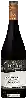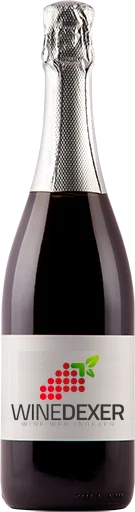
Winery IhringerPinot Brut
 Sparkling wine


This wine generally goes well with pork, poultry or veal.
Food and wine pairings with Pinot Brut
Pairings that work perfectly with Pinot Brut



Original food and wine pairings with Pinot Brut


The Pinot Brut of Winery Ihringer matches generally quite well with dishes of veal, pork or game (deer, venison) such as recipes of pork tenderloin with mushroom sauce, andouillette with mustard sauce or rabbit with cider and mushrooms.
Details and technical informations about Winery Ihringer's Pinot Brut.
Discover the grape variety: Pinot noir
Pinot noir is an important red grape variety in Burgundy and Champagne, and its reputation is well known! Great wines such as the Domaine de la Romanée Conti elaborate their wines from this famous grape variety, and make it a great variety. When properly vinified, pinot noit produces red wines of great finesse, with a wide range of aromas depending on its advancement (fruit, undergrowth, leather). it is also the only red grape variety authorized in Alsace. Pinot Noir is not easily cultivated beyond our borders, although it has enjoyed some success in Oregon, the United States, Australia and New Zealand.
Last vintages of this wine
The best vintages of Pinot Brut from Winery Ihringer are 0
Informations about the Winery Ihringer
The Winery Ihringer is one of of the world's great estates. It offers 86 wines for sale in the of Baden to come and discover on site or to buy online.

The wine region of Baden
German capital of Pinot Noir (Spätburgunder): silky, fine reds with notes of red fruits, cherry, undergrowth and sweet spices, melted tannins. Round Grauburgunder (Pinot Gris), lively Weissburgunder, supple Müller-Thurgau, mineral Riesling. Germany's 3rd region (15,000 ha) in Baden-Württemberg facing Alsace, one of the country's warmest climates, volcanic soils at the Kaiserstuhl. Cradle of modern great German reds, elegant and fine.
The word of the wine: Maturing (champagne)
After riddling, the bottles are stored on "point", upside down, with the neck of one bottle in the bottom of the other. The duration of this maturation is very important: in contact with the dead yeasts, the wine takes on subtle aromas and gains in roundness and fatness. A brut without year must remain at least 15 months in the cellar after bottling, a vintage 36 months.