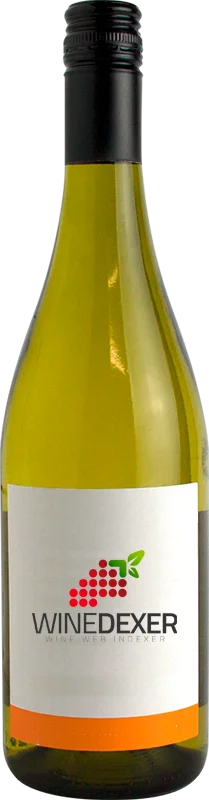
Winery IhringerWeisser Burgunder Trocken
 White wine


In the mouth this white wine is a with a nice freshness.
This wine generally goes well with rich fish (salmon, tuna etc), shellfish or mild and soft cheese.
Taste structure of the Weisser Burgunder Trocken from the Winery Ihringer
Light | Bold | |
Dry | Sweet | |
Soft | Acidic |
In the mouth the Weisser Burgunder Trocken of Winery Ihringer in the region of Baden is a with a nice freshness.
Wine flavors and olphactive analysis

Food and wine pairings with Weisser Burgunder Trocken
Pairings that work perfectly with Weisser Burgunder Trocken



Original food and wine pairings with Weisser Burgunder Trocken

The Weisser Burgunder Trocken of Winery Ihringer matches generally quite well with dishes of rich fish (salmon, tuna etc), shellfish or mild and soft cheese such as recipes of salmon steak on a bed of leeks, curried mouclade à la charentaise or nachos (chicken).
Details and technical informations about Winery Ihringer's Weisser Burgunder Trocken.
Discover the grape variety: Aladin
Interspecific crossing between 7489 (direct white producer hybrid) and Hamburg Muscat obtained in 1979.
Last vintages of this wine

The best vintages of Weisser Burgunder Trocken from Winery Ihringer are 2017, 2015
Informations about the Winery Ihringer
The Winery Ihringer is one of wineries to follow in Baden.. It offers 86 wines for sale in the of Baden to come and discover on site or to buy online.

The wine region of Baden
German capital of Pinot Noir (Spätburgunder): silky, fine reds with notes of red fruits, cherry, undergrowth and sweet spices, melted tannins. Round Grauburgunder (Pinot Gris), lively Weissburgunder, supple Müller-Thurgau, mineral Riesling. Germany's 3rd region (15,000 ha) in Baden-Württemberg facing Alsace, one of the country's warmest climates, volcanic soils at the Kaiserstuhl. Cradle of modern great German reds, elegant and fine.
The word of the wine: Hat
Solid part (marc), composed of pips and skins (sometimes of the stalk), which forms at the top of the tank during fermentation. The pigeage consists in breaking this cap to put back in suspension these elements and to favour the exchanges between the juice and the skins.