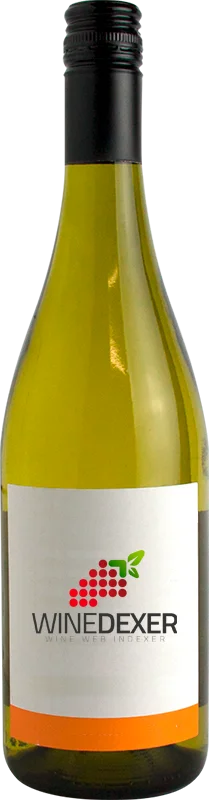
Winery St.AndreaVálogatás Sauvignon Blanc
 White wine



This wine generally goes well with vegetarian, rich fish (salmon, tuna etc) or shellfish.
Food and wine pairings with Válogatás Sauvignon Blanc
Pairings that work perfectly with Válogatás Sauvignon Blanc



Original food and wine pairings with Válogatás Sauvignon Blanc
The Válogatás Sauvignon Blanc of Winery St.Andrea matches generally quite well with dishes of rich fish (salmon, tuna etc), shellfish or vegetarian such as recipes of fish pot, pageot or summer tuna quiche.
Details and technical informations about Winery St.Andrea's Válogatás Sauvignon Blanc.
Discover the grape variety: Muscat Valvin
Interspecific crossing between the muscat du moulin or 299-35 Couderc (Pédro Ximénès x 603 Couderc (carignan noir x vitis rupestris) and the muscat ottonel obtained in 1962 by Bruce Reisch and Thomas Henick-Kling at the Experimental Station of the Cornell University - Geneva - New York (United States) Apart from this country, it is almost unknown in other wine-producing countries.
Last vintages of this wine
The best vintages of Válogatás Sauvignon Blanc from Winery St.Andrea are 2016, 0, 2015
Informations about the Winery St.Andrea
The Winery St.Andrea is one of of the world's great estates. It offers 77 wines for sale in the of Felso Magyarorszag to come and discover on site or to buy online.

The wine region of Felso Magyarorszag
The wine region of Felso Magyarorszag of Hungary. Wineries and vineyards like the Domaine Dunavar or the Domaine Dunavar produce mainly wines white, red and pink. The most planted grape varieties in the region of Felso Magyarorszag are Merlot, Muscat Ottonel and Chardonnay, they are then used in wines in blends or as a single variety. On the nose of Felso Magyarorszag often reveals types of flavors of non oak, earth or microbio and sometimes also flavors of oak, tree fruit or citrus fruit.
The word of the wine: Tastevin
Metal cup, wide and of low height, being used to mirror and taste the wine. Still used in wine brotherhoods for its emblematic and folkloric character, the tastevin has been replaced by the various tasting glasses.