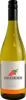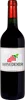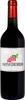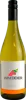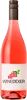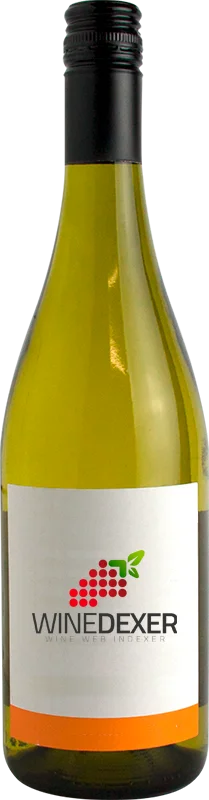
Winery Hornstein am SeeNonnenhorner Seehalde Grauburgunder Trocken
 White wine
In the mouth this white wine is a .
This wine generally goes well with pork, cured meat or mushrooms.

Taste structure of the Nonnenhorner Seehalde Grauburgunder Trocken from the Winery Hornstein am See
Light | Bold | |
Dry | Sweet | |
Soft | Acidic |
In the mouth the Nonnenhorner Seehalde Grauburgunder Trocken of Winery Hornstein am See in the region of Württemberg is a .
Food and wine pairings with Nonnenhorner Seehalde Grauburgunder Trocken
Pairings that work perfectly with Nonnenhorner Seehalde Grauburgunder Trocken


Original food and wine pairings with Nonnenhorner Seehalde Grauburgunder Trocken

The Nonnenhorner Seehalde Grauburgunder Trocken of Winery Hornstein am See matches generally quite well with dishes of pork, spicy food or mushrooms such as recipes of stuffed tomatoes with thermomix, samoussa 3 reunionese cheeses or chicken blanquette.
Details and technical informations about Winery Hornstein am See's Nonnenhorner Seehalde Grauburgunder Trocken.
Discover the grape variety: Orange Muscat
Intense and aromatic muscat whites as dry, sweet and fortified wines, with a pale golden to amber robe depending on vinification, an ample and perfumed palate, showing powerful muscat signature aromas, characteristic orange peel, orange blossom, exotic fruits (lychee, mango) and honey. Grown in California, Australia and South Africa, prized for aromatic sweet fortified wines and dessert muscats. Aromatic American white grape, muscat variation with orange aromas.
Informations about the Winery Hornstein am See
The Winery Hornstein am See is one of of the world's greatest estates. It offers 14 wines for sale in the of Württemberg to come and discover on site or to buy online.

The wine region of Württemberg
Rare predominantly red region in Germany (nearly 70%). Supple, fruity everyday reds: light, crisp Trollinger (Schiava) with red fruits, more structured, spicy, deep Lemberger (Blaufränkisch), generous Schwarzriesling (Pinot Meunier). Riesling king of whites (>2,000 ha), lively and mineral, citrus and green apple. Germany's 4th region (11,500 ha) on the Neckar slopes around Heilbronn and Stuttgart.
The word of the wine: Concentrate
Said of a wine that is rich in all its components (sugars in sweet wines, tannins in red wines, aromatic compounds) and that leaves an impression of density, intensity and depth.