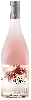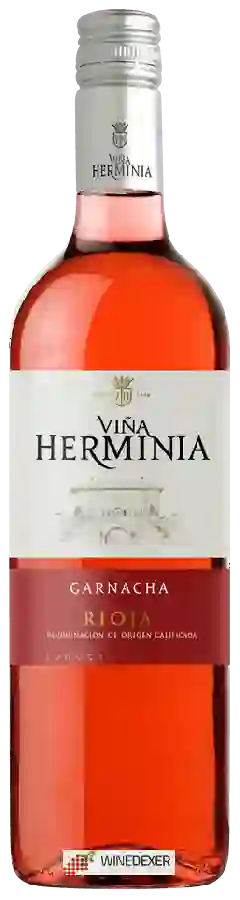
Winery Vina HerminiaRosé Garnacha
 Pink wine



This wine generally goes well with pork, beef or lamb.

Food and wine pairings with Rosé Garnacha
Pairings that work perfectly with Rosé Garnacha



Original food and wine pairings with Rosé Garnacha

The Rosé Garnacha of Winery Vina Herminia matches generally quite well with dishes of beef, lamb or pork such as recipes of pasta al forno (baked pasta), lamb kebab or breton galette with buckwheat flour.
Details and technical informations about Winery Vina Herminia's Rosé Garnacha.
Discover the grape variety: Zinfandel
Generous, high-alcohol reds with a dark robe and indulgent palate, showing aromas of stewed blackberry, raspberry, black pepper, liquorice, cinnamon and cooked fruit. Also vinified as a popular sweet rosé (White Zinfandel). Star of California (Lodi, Sonoma, Dry Creek Valley, Paso Robles) with sought-after century-old vines. Identical to Italian Primitivo and Croatian Crljenak Kaštelanski by DNA analysis.
Last vintages of this wine
The best vintages of Rosé Garnacha from Winery Vina Herminia are 0
Informations about the Winery Vina Herminia
The Winery Vina Herminia is one of of the world's great estates. It offers 21 wines for sale in the of Rioja to come and discover on site or to buy online.

The wine region of Rioja
Star of great Spanish reds: signature Tempranillo, elegant and complex, with notes of ripe cherry, plum, leather, vanilla and tobacco from American oak ageing. Classification by age: fruity Joven, balanced Crianza, ample Reserva, deep, silky Gran Reserva (5 years, 2 in barrel). Some fresh Viura whites and generous rosés. Spain's first DOCa (1991), 3 sub-zones (Alta, Alavesa, Oriental), 93.
The word of the wine: Decanting
Decanting, an operation performed by a sommelier with a decanter to separate the clear wine from the solid parts in a bottle.