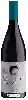
Winery Vina HerminiaPreferido Fuente Adorada Crianza
 wine
wine
This wine generally goes well with
The Preferido Fuente Adorada Crianza of the Winery Vina Herminia is in the top 0 of wines of La Mancha.

Details and technical informations about Winery Vina Herminia's Preferido Fuente Adorada Crianza.
Discover the grape variety: Bonne Vituaigne
Simple, dry and fresh whites with a pale golden colour, a supple palate with moderate acidity and undemonstrative aromas of citrus and white flowers. A discreet rustic profile. Almost extinct, preserved in INRAE varietal collections, it bears witness to the pre-phylloxera ampelographic diversity of the French vineyard and is among the heritage varieties under study. Rare French white variety, once grown in western France.
Informations about the Winery Vina Herminia
The Winery Vina Herminia is one of of the world's great estates. It offers 21 wines for sale in the of La Mancha to come and discover on site or to buy online.

The wine region of La Mancha
World's largest contiguous wine area (190,000 ha), south of Madrid. Accessible, sunny wines: Tempranillo (here Cencibel) in full quality rise, supple reds with notes of ripe cherry, plum and spices; spicy Syrah, firm Cabernet Sauvignon, round Merlot. Light neutral Airén whites (75% of the vineyard), fresh Macabeo (Viura). Dry, hot continental climate, limestone and clay soils.
The wine region of Castille
Cradle of great Castilian reds, high-altitude plateaus (450-1000 m) along the Duero. Tempranillo king (aka Tinta de Toro, Tinto Fino): powerful, concentrated, structured reds with notes of black cherry, plum, leather, tobacco and spice, firm tannins from altitude and cool nights. Stars: Ribera del Duero (Vega Sicilia, Pingus), fleshy Toro, Bierzo (floral, mineral Mencía). Lively, herbaceous Verdejo whites from Rueda.
The word of the wine: Drawing (liqueur de)
In champagne and sparkling wines of traditional method, addition to the wine, at the time of bottling (tirage) of sugars and yeasts dissolved in wine. These components will provoke the second fermentation in the bottle leading to the formation of carbon dioxide bubbles.