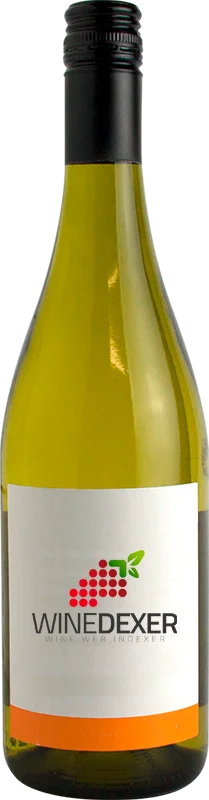
Winery Hermann GrumbachGrumbach Saxigenum Trocken Riesling
 White wine


This wine generally goes well with pork, vegetarian or poultry.

Food and wine pairings with Grumbach Saxigenum Trocken Riesling
Pairings that work perfectly with Grumbach Saxigenum Trocken Riesling



Original food and wine pairings with Grumbach Saxigenum Trocken Riesling



The Grumbach Saxigenum Trocken Riesling of Winery Hermann Grumbach matches generally quite well with dishes of pork, rich fish (salmon, tuna etc) or spicy food such as recipes of chicken pie, salmon and spinach lasagna or dab with coconut milk.
Details and technical informations about Winery Hermann Grumbach's Grumbach Saxigenum Trocken Riesling.
Discover the grape variety: Riesling
Crystalline, taut whites with vibrant acidity and aromas of citrus, green apple, white flowers, vineyard peach and mineral/petrol notes with age. Made as dry (Trocken, Alsace), off-dry (Kabinett, Spätlese) and sweet (Auslese, Beerenauslese, Trockenbeerenauslese, late harvest). Star of the Moselle, Rheingau, Alsace AOC and Wachau. Also exported to Clare Valley and Finger Lakes.
Last vintages of this wine
The best vintages of Grumbach Saxigenum Trocken Riesling from Winery Hermann Grumbach are 0
Informations about the Winery Hermann Grumbach
The Winery Hermann Grumbach is one of of the world's greatest estates. It offers 6 wines for sale in the of Rio Grande do Sul to come and discover on site or to buy online.

The wine region of Rio Grande do Sul
Brazil's winemaking heart (~80% of production), Italian tradition. Recognised specialty: traditional-method sparkling wines (espumantes), fresh and fruity, based on Chardonnay and Pinot Noir, among South America's finest. Accessible reds: supple, fruity Merlot (plum, cherry), fleshy Cabernet Sauvignon, dense, tannic Tannat. Round Chardonnay, light Riesling Italico, sweet, floral Moscato whites.
The word of the wine: Rich
Said of a complex and concentrated wine, whose power suggests a good capacity for ageing.