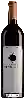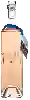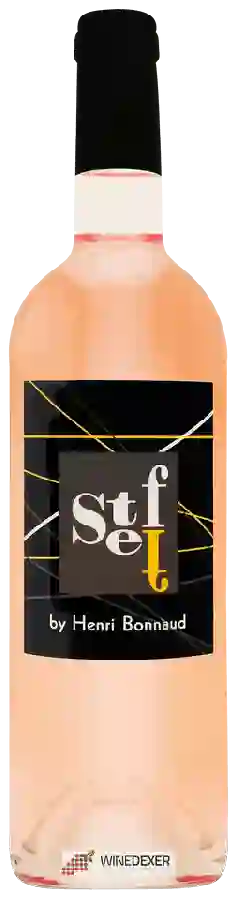
Château Henri BonnaudSteff
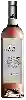
 Pink wine



In the mouth this pink wine is a with a nice freshness.
This wine generally goes well with pork, vegetarian or poultry.

Taste structure of the Steff from the Château Henri Bonnaud
Light | Bold | |
Dry | Sweet | |
Soft | Acidic |
In the mouth the Steff of Château Henri Bonnaud in the region of Provence is a with a nice freshness.
Wine flavors and olphactive analysis

On the nose the Steff of Château Henri Bonnaud in the region of Provence often reveals types of flavors of strawberries, tree fruit or red fruit.
Food and wine pairings with Steff
Pairings that work perfectly with Steff



Original food and wine pairings with Steff

The Steff of Château Henri Bonnaud matches generally quite well with dishes of pork, shellfish or vegetarian such as recipes of very simple spaghetti carbonara, fish curry à la reunion or vegan leek and tofu quiche.
Details and technical informations about Château Henri Bonnaud's Steff.
Discover the grape variety: Balcic
Supple, fruity whites to drink young with a pale golden robe, an airy, low-alcohol palate with moderate acidity, and signature aromas of white-fleshed fruits (peach, pear), white flowers and light Muscat notes. Early-ripening. Grown in Dobrudja on the Romanian Black Sea coast, mainly destined for young consumption, it remains little-known outside its regions of origin. A Romanian white grape bred at Murfatlar by crossing with Riesling Italico.
Last vintages of this wine
The best vintages of Steff from Château Henri Bonnaud are 2018, 2019, 2017, 2016 and 2015.
Informations about the Château Henri Bonnaud
The Château Henri Bonnaud is one of of the world's greatest estates. It offers 13 wines for sale in the of Provence to come and discover on site or to buy online.

The wine region of Provence
World capital of dry, refined rosé (~90% of production). Pale rose-petal colour, delicate nose of fresh red fruits (strawberry, raspberry, redcurrant), citrus (pink grapefruit), white flowers and a mineral touch, taut and thirst-quenching palate — the Mediterranean aperitif par excellence. Blends of Grenache, Cinsault, Syrah, Tibouren and Mourvèdre. Fleshy Bandol reds from Mourvèdre (leather, garrigue, age-worthy), straight Cassis whites.
The word of the wine: Oenologist
Specialist in wine-making techniques. It is a profession and not a passion: one can be an oenophile without being an oenologist (and the opposite too!). Formerly attached to the Faculty of Pharmacy, oenology studies have become independent and have their own university course. Learning to make wine requires a good chemical background but also, increasingly, a good knowledge of the plant. Some oenologists work in laboratories (analysis). Others, the consulting oenologists, work directly in the properties.