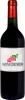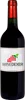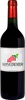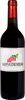
Winery HenchFranken Centgrafenberg Bürgstadt Spätburgunder
 Red wine



In the mouth this red wine is a with a nice freshness.
This wine generally goes well with poultry, beef or veal.

Taste structure of the Franken Centgrafenberg Bürgstadt Spätburgunder from the Winery Hench
Light | Bold | |
Smooth | Tannic | |
Dry | Sweet | |
Soft | Acidic |
In the mouth the Franken Centgrafenberg Bürgstadt Spätburgunder of Winery Hench in the region of Franken is a with a nice freshness.
Food and wine pairings with Franken Centgrafenberg Bürgstadt Spätburgunder
Pairings that work perfectly with Franken Centgrafenberg Bürgstadt Spätburgunder



Original food and wine pairings with Franken Centgrafenberg Bürgstadt Spätburgunder

The Franken Centgrafenberg Bürgstadt Spätburgunder of Winery Hench matches generally quite well with dishes of beef, veal or game (deer, venison) such as recipes of authentic bolognese sauce (ragù di carne), veal escalope with lemon sauce or rabbit with mustard, thyme and cream.
Details and technical informations about Winery Hench's Franken Centgrafenberg Bürgstadt Spätburgunder.
Discover the grape variety: Clairette
Vibrant and fresh rosés and clairets with a pale robe and tender mouth, featuring aromas of white flowers, citrus, fennel and delicate anise notes. Moderate acidity, light finish. A pink-skinned mutation of clairette blanche, occasionally blended into Provençal and Languedoc rosés. Clairette blanche signs Clairette de Die, Clairette du Languedoc AOC and enters Châteauneuf-du-Pape whites. Native southern French grape.
Last vintages of this wine
The best vintages of Franken Centgrafenberg Bürgstadt Spätburgunder from Winery Hench are 0
Informations about the Winery Hench
The Winery Hench is one of of the world's greatest estates. It offers 17 wines for sale in the of Franken to come and discover on site or to buy online.

The wine region of Franken
Homeland of German Silvaner: dry, straight, mineral and lively whites with notes of green apple, citrus, fresh herbs and a saline touch, planted here for over 350 years (1,500 ha, a quarter of the vineyard). Also supple, floral Müller-Thurgau, taut Riesling, aromatic Bacchus. Some discreet reds (Spätburgunder). 6,040 ha in Bavaria along the Main around Würzburg, red sandstone and shell-limestone soils.
The word of the wine: Tressallier
White grape variety from the Allier region, identical to the Sacy variety grown in Burgundy. Rarely vinified on its own, it is used in the blending of Saint-Pourçain white wines, associated with chardonnay, the main grape variety of the appellation. Syn.: sacy.