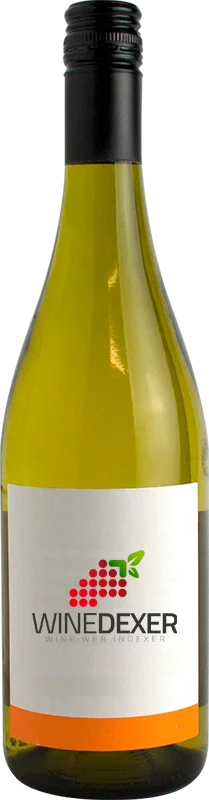
Winery Heini HaubensakAltstatter Sauvignon Blanc
 White wine
This wine generally goes well with vegetarian, rich fish (salmon, tuna etc) or shellfish.
Food and wine pairings with Altstatter Sauvignon Blanc
Pairings that work perfectly with Altstatter Sauvignon Blanc



Original food and wine pairings with Altstatter Sauvignon Blanc
The Altstatter Sauvignon Blanc of Winery Heini Haubensak matches generally quite well with dishes of rich fish (salmon, tuna etc), shellfish or vegetarian such as recipes of quiche with leeks and fresh salmon from flo, pasta shells or quiche with bacon and gruyère cheese.
Details and technical informations about Winery Heini Haubensak's Altstatter Sauvignon Blanc.
Discover the grape variety: Savatiano
This is one of the most widely cultivated grape varieties in Greece, particularly in the regions of Attica, Euboea and Boeotia, and is virtually unknown in France. It is believed to be a cross between roditis and karystino, two varieties also of Greek origin.
Informations about the Winery Heini Haubensak
The Winery Heini Haubensak is one of of the world's greatest estates. It offers 4 wines for sale in the of Valais to come and discover on site or to buy online.

The wine region of Valais
The Valais is the largest wine region and appellation in Switzerland, responsible for around one third of the country's total wine production. The main Vineyard area covers the southeast-facing slopes of the dramatic Rhône river valley as the glacial waters run southwest between Leuk (Loeche in French) and Fully. The river changes direction at Martigny and then runs northwest to exit the valley and empty into Lac Léman (Lake Geneva). Vineyard area here comes to around 4,800 hectares (11,800 acres) and is generally located on (often steep) slopes and terraces between the flat, fertile, Heavy soils at the bottom of the valley - often given over to fruit production, industry and urban development - and the bare rock of the mountainside that towers above.
The word of the wine: Downy mildew
Disease of the vine due to a fungus. Downy mildew is formidable because it attacks all the organs, from the stem to the grapes, including the leaves, in depth. It was against it that the famous copper and lime-based Bordeaux mixture was developed.