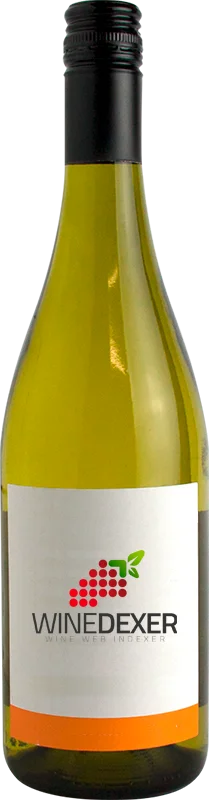
Winery HeinemannWeisser Burgunder Kabinett Trocken
 White wine



In the mouth this white wine is a with a nice freshness.
This wine generally goes well with rich fish (salmon, tuna etc), shellfish or mild and soft cheese.

Taste structure of the Weisser Burgunder Kabinett Trocken from the Winery Heinemann
Light | Bold | |
Dry | Sweet | |
Soft | Acidic |
In the mouth the Weisser Burgunder Kabinett Trocken of Winery Heinemann in the region of Baden is a with a nice freshness.
Food and wine pairings with Weisser Burgunder Kabinett Trocken
Pairings that work perfectly with Weisser Burgunder Kabinett Trocken



Original food and wine pairings with Weisser Burgunder Kabinett Trocken

The Weisser Burgunder Kabinett Trocken of Winery Heinemann matches generally quite well with dishes of rich fish (salmon, tuna etc), shellfish or mild and soft cheese such as recipes of baked sardines with garlic, yakisoba (fried noodles) or gourmet tartiflette (pan-fried).
Details and technical informations about Winery Heinemann's Weisser Burgunder Kabinett Trocken.
Discover the grape variety: Ignéa
Simple, dry grey-white wines with a pale rosé hue and coppery skin, a supple palate with moderate acidity, showing understated aromas of citrus and white flowers. Rustic southern profile. Almost disappeared from commercial cultivation, preserved in INRAE varietal collections, it testifies to the pre-phylloxera ampelographic diversity of the southern vineyard. Native French grey variety, formerly grown in the south-east.
Last vintages of this wine
The best vintages of Weisser Burgunder Kabinett Trocken from Winery Heinemann are 2013, 0, 2012
Informations about the Winery Heinemann
The Winery Heinemann is one of of the world's greatest estates. It offers 35 wines for sale in the of Baden to come and discover on site or to buy online.

The wine region of Baden
German capital of Pinot Noir (Spätburgunder): silky, fine reds with notes of red fruits, cherry, undergrowth and sweet spices, melted tannins. Round Grauburgunder (Pinot Gris), lively Weissburgunder, supple Müller-Thurgau, mineral Riesling. Germany's 3rd region (15,000 ha) in Baden-Württemberg facing Alsace, one of the country's warmest climates, volcanic soils at the Kaiserstuhl. Cradle of modern great German reds, elegant and fine.
The word of the wine: Extraction
All the methods (pumping over, punching down) that allow the colour and tannins to be extracted from the grape skin during maceration, before fermentation begins. It is also possible to macerate after fermentation, but gently, so as not to extract the tannins from the seeds, which are greener. Because of its solvent power, alcohol favours extraction.