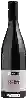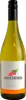
Winery HegerLoess On The Beach
 White wine



This wine is a blend of 2 varietals which are the Müller-Thurgau and the Riesling.
This wine generally goes well with pork, vegetarian or poultry.

Food and wine pairings with Loess On The Beach
Pairings that work perfectly with Loess On The Beach



Original food and wine pairings with Loess On The Beach



The Loess On The Beach of Winery Heger matches generally quite well with dishes of pork, rich fish (salmon, tuna etc) or shellfish such as recipes of andouillette and baked potato gratin, pan-fried salmon with lemon and dill sauce or aïoli.
Details and technical informations about Winery Heger's Loess On The Beach.
Discover the grape variety: Müller-Thurgau
Light, aromatic whites with a tender palate and moderate acidity, with muscat-like aromas of white flowers, apple, citrus, peach and honeyed notes. Made as easy dry whites, popular semi-dry wines and some sparkling cuvées. Widely planted in Germany (Rheinhessen, Baden), northern Italy (Alto Adige, Trentino), Austria, Switzerland, Hungary and Japan. Cross of riesling × madeleine royale created in 1882 by Hermann Müller in Geisenheim.
Last vintages of this wine
The best vintages of Loess On The Beach from Winery Heger are 2015, 0
Informations about the Winery Heger
The Winery Heger is one of of the world's great estates. It offers 37 wines for sale in the of Baden to come and discover on site or to buy online.

The wine region of Baden
German capital of Pinot Noir (Spätburgunder): silky, fine reds with notes of red fruits, cherry, undergrowth and sweet spices, melted tannins. Round Grauburgunder (Pinot Gris), lively Weissburgunder, supple Müller-Thurgau, mineral Riesling. Germany's 3rd region (15,000 ha) in Baden-Württemberg facing Alsace, one of the country's warmest climates, volcanic soils at the Kaiserstuhl. Cradle of modern great German reds, elegant and fine.
The word of the wine: Alcoholic fermentation
Transformation of sugars into alcohol under the effect of yeast. These yeasts exist in their natural state in the vineyards and in the cellars. Artificial seeding with selected yeasts is however very often practiced.