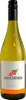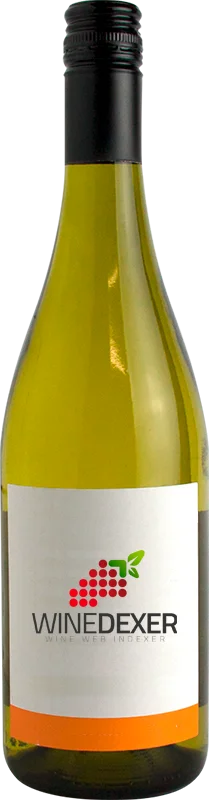
Winery HansjostenGrauburgunder Trocken
 White wine
In the mouth this white wine is a .
This wine generally goes well with pork, cured meat or mushrooms.

Taste structure of the Grauburgunder Trocken from the Winery Hansjosten
Light | Bold | |
Dry | Sweet | |
Soft | Acidic |
In the mouth the Grauburgunder Trocken of Winery Hansjosten in the region of Mosel is a .
Food and wine pairings with Grauburgunder Trocken
Pairings that work perfectly with Grauburgunder Trocken


Original food and wine pairings with Grauburgunder Trocken

The Grauburgunder Trocken of Winery Hansjosten matches generally quite well with dishes of pork, spicy food or mushrooms such as recipes of country cabbage, butternut soufflé or beef bourguignon with cookéo.
Details and technical informations about Winery Hansjosten's Grauburgunder Trocken.
Discover the grape variety: Béclan noir
Light, fresh reds with a pale ruby robe, soft tannins, and an airy palate with preserved acidity, and signature aromas of red fruits (cherry, raspberry) and Alpine Jura spices. Airy, rustic profile. Nearly extinct, preserved in a few Jura varietal collections, it testifies to the ampelographic diversity of the Revermont before phylloxera. Synonym of Béclan, a native black variety of the Jura.
Informations about the Winery Hansjosten
The Winery Hansjosten is one of of the world's greatest estates. It offers 16 wines for sale in the of Mosel to come and discover on site or to buy online.

The wine region of Mosel
Kingdom of lively, crystalline Riesling: citrus, green apple, gunflint, tangy tension and signature slate minerality. From light, fruity Kabinett to off-dry Spätlese, up to sweet Auslese and Trockenbeerenauslese of rare finesse. Some supple Müller-Thurgau and lively Elbling. Steeply sloped vineyards (up to 65% at the Bremmer Calmont) on blue and grey slate, 5,400 ha of Riesling (61.
The word of the wine: Density per hectare
Number of vines per hectare. For the same yield, a vine planted with 3,000 vines per hectare bears many more bunches (per vine) than a vine planted with 10,000. The grapes will therefore be less rich in sugar and polyphenols (tannins, aromas...).