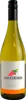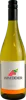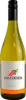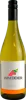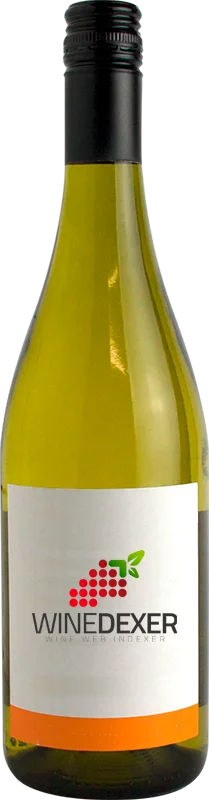
Winery HamadaDelaware (フォコン デラウェア)
 White wine



This wine generally goes well with
The Delaware (フォコン デラウェア) of the Winery Hamada is in the top 30 of wines of Yamanashi-ken.

Details and technical informations about Winery Hamada's Delaware (フォコン デラウェア).
Discover the grape variety: Poulsard
Very light and delicate reds with an almost translucent salmon-pale colour, fine tannins and fresh acidity, on subtle aromas of wild strawberry, redcurrant, cherry, dried flowers, sweet spices and earthy notes. Airy and thirst-quenching palate. Star of the light reds of Jura (Arbois AOC, Côtes du Jura AOC), notably on the marls of Pupillin where it is called Ploussard. Also in sparkling rosés (Crémant du Jura AOC). Native Jura variety.
Last vintages of this wine
The best vintages of Delaware (フォコン デラウェア) from Winery Hamada are 0
Informations about the Winery Hamada
The Winery Hamada is one of of the world's greatest estates. It offers 7 wines for sale in the of Yamanashi-ken to come and discover on site or to buy online.

The wine region of Yamanashi-ken
Japanese winemaking heart at the foot of Mount Fuji, signature in Koshu. Identity-driven native white (~90% of Japanese plantings): delicate, precise dry whites with notes of citrus (yuzu, lime), green apple, white flowers and a slightly saline finish, low alcohol and great freshness. Ideal with sushi and Japanese cuisine. Also Chardonnay and Merlot in the altitude zones of Akeno.
The word of the wine: CM
Mention on the label of a champagne. It is a handling cooperative that produces on its own premises and markets under its own brand the wines made from the grapes harvested by its members.