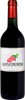
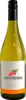
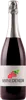
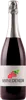
Winery H. StagnariNature
 Sparkling wine



This wine is a blend of 2 varietals which are the Chardonnay and the Viognier.
This wine generally goes well with pork, vegetarian or poultry.

Food and wine pairings with Nature
Pairings that work perfectly with Nature



Original food and wine pairings with Nature



The Nature of Winery H. Stagnari matches generally quite well with dishes of pork, game (deer, venison) or rich fish (salmon, tuna etc) such as recipes of sauté of pork with chorizo, duck pot au feu or tuna and mozzarella pie.
Details and technical informations about Winery H. Stagnari's Nature.
Discover the grape variety: Chardonnay
Whites with many faces: mineral and taut at Chablis (lemon, green apple, flint), opulent and buttery at Meursault and Puligny-Montrachet (hazelnut, brioche, yellow fruits), tense and chalky in Champagne (Blanc de Blancs). Also vinified sparkling and widely exported (Sonoma, Margaret River, Casablanca). A Burgundian variety, a cross of Pinot Noir × Gouais Blanc, half-sibling of Aligoté.
Last vintages of this wine
The best vintages of Nature from Winery H. Stagnari are 0
Informations about the Winery H. Stagnari
The Winery H. Stagnari is one of of the world's great estates. It offers 48 wines for sale in the of Canelones to come and discover on site or to buy online.

The wine region of Canelones
Uruguay's main region north of Montevideo (~90% of national output). National star Tannat: powerful, structured reds with signature notes of blackberry, black plum, violet, leather, tobacco and spice, firm tannins and notable ageing potential — more Tannat planted here than in Madiran, its birthplace. Also round Merlot, peppery Cabernet Franc, spicy Syrah. Fresh saline Albarino whites.
The word of the wine: Draft liquor (champagne)
After blending, the wine is bottled with a liqueur de tirage (a mixture of sugar and wine) and a yeast (selected yeasts). The yeast attacks the sugar and creates carbon dioxide. The fermentation, which lasts about two months, is prolonged by an ageing period (15 months minimum in total). The bottle is capped (some rare vintages are capped with a staple and a cork).