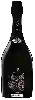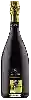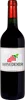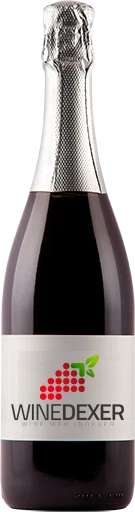
Winery GuizzoMillesimato
 Sparkling wine


This wine generally goes well with

Details and technical informations about Winery Guizzo's Millesimato.
Discover the grape variety: Glera
Fresh, fruity sparkling wines with fine bubbles and an airy mouth, featuring aromas of green apple, pear, white peach, white flowers, citrus and fresh almond notes. Tonic acidity, light and refreshing finish. The undisputed star of Prosecco DOC, Prosecco di Conegliano Valdobbiadene DOCG and Asolo Prosecco DOCG, one of the world's most exported sparkling wines (Charmat method). Native Venetian grape, formerly called Prosecco.
Last vintages of this wine
The best vintages of Millesimato from Winery Guizzo are 2015, 0
Informations about the Winery Guizzo
The Winery Guizzo is one of of the world's greatest estates. It offers 10 wines for sale in the of Conegliano-Valdobbiadene Prosecco Superiore to come and discover on site or to buy online.

The wine region of Conegliano-Valdobbiadene Prosecco Superiore
Historic, top-quality core of Prosecco DOCG on the Venetian hills (50-500 m, UNESCO landscape): signature Glera dominant as king white (≥85%, formerly "Prosecco") — fine, aromatic sparklers with green apple, pear, white acacia flowers, citrus and a slightly bitter finish. Chardonnay and Pinots as backup (≤15%, local Verdiso and Perera possible). Charmat method in autoclaves, from Brut to Dry, Rive mention for specific slopes, Cartizze grand cru.
The wine region of Veneto
World star of Prosecco: fresh, light Glera sparklers with notes of pear, green apple and white flowers, fruity, convivial bubbles. Veronese reds from Corvina and Rondinella: light, crisp Bardolino, fruity Valpolicella, opulent, concentrated Amarone DOCG (black cherry, chocolate, raisin) from dried grapes. Mineral, almondy Soave (Garganega) whites, fresh Pinot Grigio. 97,500 ha, Italy's largest production.
The word of the wine: Tartar (deposit)
White, chalky deposits that occur as a result of precipitation inside bottles and are often considered by consumers as a defect. They are in fact tartaric salts formed by tartaric acid, potassium and calcium naturally present in the wine. This deposit does not alter the quality of the wine and can be eliminated by a simple decanting.