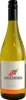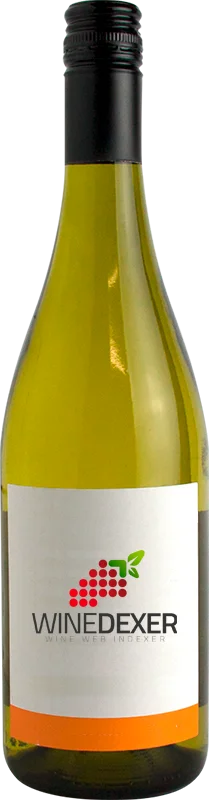
Winery Great WallChateau Yunmo Italian Riesling
 White wine
This wine generally goes well with pork, vegetarian or poultry.

Food and wine pairings with Chateau Yunmo Italian Riesling
Pairings that work perfectly with Chateau Yunmo Italian Riesling



Original food and wine pairings with Chateau Yunmo Italian Riesling



The Chateau Yunmo Italian Riesling of Winery Great Wall matches generally quite well with dishes of pork, rich fish (salmon, tuna etc) or spicy food such as recipes of roast pork orloff, lemon and tuna risotto or mullet with onions and white wine.
Details and technical informations about Winery Great Wall's Chateau Yunmo Italian Riesling.
Discover the grape variety: Riesling
Crystalline, taut whites with vibrant acidity and aromas of citrus, green apple, white flowers, vineyard peach and mineral/petrol notes with age. Made as dry (Trocken, Alsace), off-dry (Kabinett, Spätlese) and sweet (Auslese, Beerenauslese, Trockenbeerenauslese, late harvest). Star of the Moselle, Rheingau, Alsace AOC and Wachau. Also exported to Clare Valley and Finger Lakes.
Informations about the Winery Great Wall
The Winery Great Wall is one of of the world's great estates. It offers 63 wines for sale in the of Shandong to come and discover on site or to buy online.

The wine region of Shandong
China's leading wine region, east coast between Beijing and Shanghai (capital Yantai), temperate maritime climate compared to Napa. Cabernet Gernischt (28%, identical to Chilean Carménère): medium-bodied and aromatic with fresh fruit, subtle herbs, blackcurrant and peppery touch, soft tannins and elegant balance. Dense Cabernet Sauvignon (18%), supple Merlot, spicy Syrah. Taut Riesling and ample Chardonnay in whites.
The word of the wine: PDO
Protected Designation of Origin - equivalent to the term "controlled designation of origin" in European regulations.