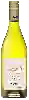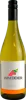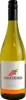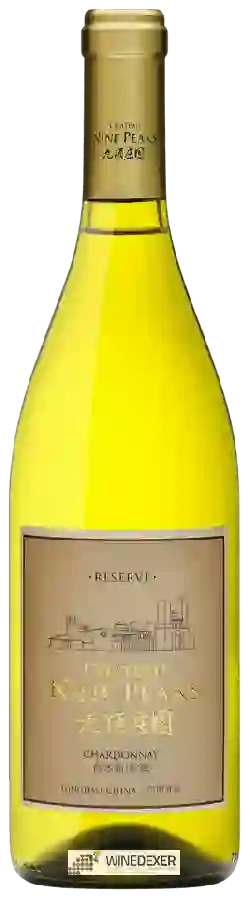
Chateau Nine PeaksReserve Chardonnay
 White wine


This wine generally goes well with pork, vegetarian or poultry.
Food and wine pairings with Reserve Chardonnay
Pairings that work perfectly with Reserve Chardonnay



Original food and wine pairings with Reserve Chardonnay

The Reserve Chardonnay of Chateau Nine Peaks matches generally quite well with dishes of pork, rich fish (salmon, tuna etc) or vegetarian such as recipes of traditional flemish carbonades, fresh salmon risotto or mushroom, bacon and gruyere quiche.
Details and technical informations about Chateau Nine Peaks's Reserve Chardonnay.
Discover the grape variety: Chardonnay
The white Chardonnay is a grape variety that originated in France (Burgundy). It produces a variety of grape specially used for wine making. It is rare to find this grape to eat on our tables. This variety of grape is characterized by small bunches, and small grapes. White Chardonnay can be found in many vineyards: South West, Burgundy, Jura, Languedoc & Roussillon, Cognac, Bordeaux, Beaujolais, Savoie & Bugey, Loire Valley, Champagne, Rhone Valley, Armagnac, Lorraine, Alsace, Provence & Corsica.
Last vintages of this wine
The best vintages of Reserve Chardonnay from Chateau Nine Peaks are 2015, 0
Informations about the Chateau Nine Peaks
The Chateau Nine Peaks is one of of the world's greatest estates. It offers 8 wines for sale in the of Shandong to come and discover on site or to buy online.

The wine region of Shandong
Shandong is one of China's major wine-producing provinces, located on the east coast of the country, equidistant between Beijing and Shanghai. It is clearly China's largest wine producing region, even if the wine industry represents only a small Part of the total economy of this heavily populated province. It is home to the majority of China's most prominent wineries, along with the Tsingtao brewery. Cabernet Gernischt, Cabernet Sauvignon, Riesling and Chardonnay are the most important grape varieties grown in the province.
The word of the wine: Shiraz
See syrah.