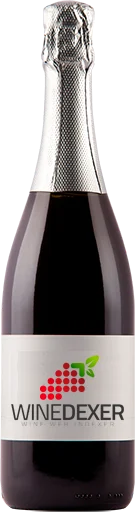
Winery Grandfather VineyardSparkling Rosé
 Sparkling wine


This wine generally goes well with

Details and technical informations about Winery Grandfather Vineyard's Sparkling Rosé.
Discover the grape variety: Aubun
Supple, alcoholic reds with a light ruby colour, soft tannins and a broad palate with moderate acidity, showing understated aromas of red and dark fruits with garrigue notes. Late ripening, vigorous and productive. Found in southern blends of Côtes-du-Rhône AOC and local IGPs, grown in Vaucluse, Gard, Var and Ardèche. Native Provençal black variety, probably originating from Vaucluse.
Last vintages of this wine
The best vintages of Sparkling Rosé from Winery Grandfather Vineyard are 0
Informations about the Winery Grandfather Vineyard
The Winery Grandfather Vineyard is one of of the world's greatest estates. It offers 44 wines for sale in the of North Carolina to come and discover on site or to buy online.

The wine region of North Carolina
Historic US southeastern wine state (top US producer before Prohibition). Yadkin Valley as the main quality zone: signature Cabernet Franc (red fruit, bell pepper, violet, fresh herbs, supple tannins). Also dense Petit Verdot, round Merlot, fruity Sangiovese. Chardonnay whites and rich Petit Manseng (apricot, honey).
The word of the wine: Mutage
The act of adding alcohol to a fresh grape must or to a fermenting must.