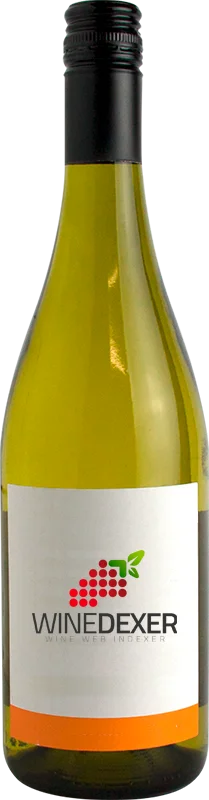
Winery Gotto d'OroMarino Secco
 White wine



In the mouth this white wine is a with a nice freshness.
This wine generally goes well with vegetarian, appetizers and snacks or lean fish.
Taste structure of the Marino Secco from the Winery Gotto d'Oro
Light | Bold | |
Dry | Sweet | |
Soft | Acidic |
In the mouth the Marino Secco of Winery Gotto d'Oro in the region of Lazio is a with a nice freshness.
Food and wine pairings with Marino Secco
Pairings that work perfectly with Marino Secco



Original food and wine pairings with Marino Secco


The Marino Secco of Winery Gotto d'Oro matches generally quite well with dishes of pasta, vegetarian or appetizers and snacks such as recipes of pasta carbonara almost like the real thing, quiche without pastry or chorizo rillettes.
Details and technical informations about Winery Gotto d'Oro's Marino Secco.
Discover the grape variety: Mencia
Spanish, more precisely from the Duero Valley where it is still very present. According to some ampelographers, it is close to Cabernet Franc.
Last vintages of this wine
The best vintages of Marino Secco from Winery Gotto d'Oro are 2018, 2016, 2008, 2015 and 2017.
Informations about the Winery Gotto d'Oro
The Winery Gotto d'Oro is one of of the world's great estates. It offers 63 wines for sale in the of Lazio to come and discover on site or to buy online.

The wine region of Lazio
Lazio is a region in CentralItaly, where the ancient capital of Rome is located. The region's reputation is based primarily on its white wines, the main varieties of which are Trebbiano, Malvasia di Candia and Malvasia Puntinata. Traditionally, these wines were fat, Round, abboccato and intended for immediate consumption. Today, the styles are lighter, drier and crisper thanks to modern winemaking methods.
The word of the wine: Cinsault
Cinsault is a southern black grape variety that can be found in the blends of most Mediterranean appellations, but most often as an accessory grape variety. It is undoubtedly most present in certain rosé wines (in Corbières, Côtes-de-Provence, etc.): it gives these wines highly appreciated aromas of strawberry, peach and raspberry. In vin de pays (IGP), it is often vinified on its own, usually as a rosé.