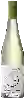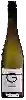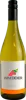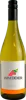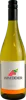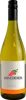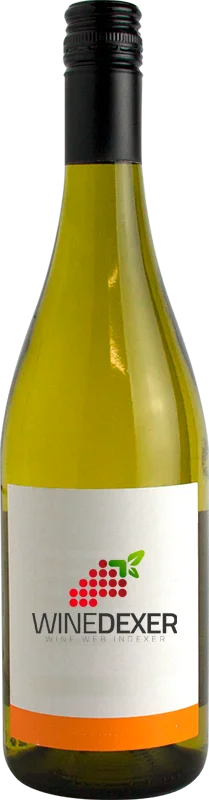
Winery Gmeinböck PoysdorfGelber Muskateller
 White wine



This wine generally goes well with
Wine flavors and olphactive analysis

On the nose the Gelber Muskateller of Winery Gmeinböck Poysdorf in the region of Weinland often reveals types of flavors of floral.
Details and technical informations about Winery Gmeinböck Poysdorf's Gelber Muskateller.
Discover the grape variety: Muscat de Hambourg
Muscat de Hambourg noir is a grape variety that originated in . It produces a variety of grapes used to make wine. However, it can also be found eating on our tables! This variety of grape is characterized by large bunches and large grapes. Muscat de Hambourg noir can be found in several vineyards: South-West, Cognac, Bordeaux, Languedoc & Roussillon, Provence & Corsica, Rhone Valley, Loire Valley, Savoie & Bugey, Beaujolais, Armagnac.
Last vintages of this wine
The best vintages of Gelber Muskateller from Winery Gmeinböck Poysdorf are 2016, 2018, 0, 2017
Informations about the Winery Gmeinböck Poysdorf
The Winery Gmeinböck Poysdorf is one of of the world's greatest estates. It offers 18 wines for sale in the of Niederösterreich to come and discover on site or to buy online.

The wine region of Niederösterreich
Niederösterreich, or Lower Austria, is a wine region in the Northeast of Austria bordering Slovakia and the Czech Republic. It is the country's largest wine region, both geographically and in terms of production. There are around 28,000 hectares (69,000 acres) of vineyards. These are responsible for roughly half of Austria's total wine output.
The wine region of Weinland
Weinviertel DAC – whose name translates as "wine quarter" – is an appellation in Niederösterreich (Lower Austria). It is by far the largest Districtus Austriae Controllatus wine region in Austria. It was also the first Austrian wine region to be given that title, in 2002, with a DAC Reserve designation added in 2009. The designation applies only to white wines from the Grüner Veltliner Grape variety.
The word of the wine: Primeur (purchase in)
Purchase made shortly after the harvest and before the wine is ready for consumption.