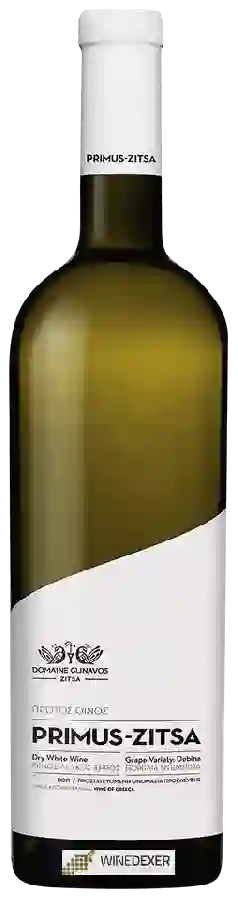
Domaine GlinavosPrimus-Zitsa
 White wine



This wine generally goes well with
The Primus-Zitsa of the Domaine Glinavos is in the top 10 of wines of Zitsa.

Wine flavors and olphactive analysis




On the nose the Primus-Zitsa of Domaine Glinavos in the region of Epiros often reveals types of flavors of earth, microbio or vegetal and sometimes also flavors of oak, tree fruit or citrus fruit.
Details and technical informations about Domaine Glinavos's Primus-Zitsa.
Discover the grape variety: Chatus
Structured, colourful reds with a dark, intense ruby color, firm tannins and a dense palate, offering intense aromas of black fruits (blackberry, blackcurrant), plum, black cherry, spices, pepper and balsamic notes. Fine cellaring potential, rustic profile. Nearly extinct after phylloxera, undergoing an identity revival among Ardèche winemakers in IGP Cévennes and IGP Ardèche. French indigenous variety from the Cévennes Ardéchoises, a pre-phylloxera heritage witness.
Last vintages of this wine
The best vintages of Primus-Zitsa from Domaine Glinavos are 2016, 2017, 2015, 0 and 2018.
Informations about the Domaine Glinavos
The Domaine Glinavos is one of of the world's greatest estates. It offers 38 wines for sale in the of Zitsa to come and discover on site or to buy online.

The wine region of Zitsa
Unique PDO of mountainous Epirus (northwest Greece, Ioannina district, limestone plateau at ~650–700 m, cool high-altitude continental climate, the only exclusively sparkling appellation): Debina is the exclusive indigenous white — very fresh with vibrant green Granny Smith apple notes and tense acidity. Made as still, semi-sweet and sparkling via the historic unique spring second fermentation. A singular Greek mountain sparkling wine.
The wine region of Epiros
Wine region of north-west Greece (mountainous Epirus, Ioannina and Zitsa, Greece's only PDO for sparkling wines), continental high-altitude climate. Native Debina signature in bright, light, sparkling royal white with intense green apple, pear, citrus and a refined floral-saline note, taut acidity ideal for fine bubbles. Vlachiko and Bekari as structured native reds. Cabernet and Merlot as complements.
The word of the wine: Flavours
There are generally four so-called fundamental flavours: acidity, bitterness, sweetness and saltiness. The first three are considered to be the building blocks of the structure of wines. They are perceived by the taste buds that cover the surface of the tongue.