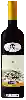
Winery Giuseppe Apicella13 Casali Rosso
 Red wine


In the mouth this red wine is a powerful.
This wine generally goes well with beef, lamb or pasta.

Taste structure of the 13 Casali Rosso from the Winery Giuseppe Apicella
Light | Bold | |
Smooth | Tannic | |
Dry | Sweet | |
Soft | Acidic |
In the mouth the 13 Casali Rosso of Winery Giuseppe Apicella in the region of Campania is a powerful.
Food and wine pairings with 13 Casali Rosso
Pairings that work perfectly with 13 Casali Rosso



Original food and wine pairings with 13 Casali Rosso
The 13 Casali Rosso of Winery Giuseppe Apicella matches generally quite well with dishes of beef, pasta or lamb such as recipes of grandma melanie's cassoulet, pho soup or lamb with coconut milk.
Details and technical informations about Winery Giuseppe Apicella's 13 Casali Rosso.
Discover the grape variety: Muresconu
Structured, fruity reds with a deep ruby colour, firm tannins and a full palate with preserved acidity, showing signature aromas of black fruits (blackberry, blackcurrant) and Mediterranean spices (garrigue, myrtle). Very rare, preserved for its heritage value, this Sardinian autochthonous variety participates in confidential artisan island blends.
Last vintages of this wine
The best vintages of 13 Casali Rosso from Winery Giuseppe Apicella are 0
Informations about the Winery Giuseppe Apicella
The Winery Giuseppe Apicella is one of of the world's greatest estates. It offers 9 wines for sale in the of Campania to come and discover on site or to buy online.

The wine region of Campania
Cradle of southern Italy's great wines on volcanic soils. Majestic Aglianico in red: structured, deep and tannic with notes of black cherry, candied plum, leather and spices, sublimated in age-worthy Taurasi DOCG, the "Barolo of the south". Identity whites of Irpinia: opulent Fiano di Avellino (honey, hazelnut), mineral iodine Greco di Tufo, aromatic Falanghina (peach, flowers). Also supple Piedirosso.
The word of the wine: Oxidative (breeding)
A method of ageing which aims to give the wine certain aromas of evolution (dried fruit, bitter orange, coffee, rancio, etc.) by exposing it to the air; it is then matured either in barrels, demi-muids or unoaked casks, sometimes stored in the open air, or in barrels exposed to the sun and to temperature variations. This type of maturation characterizes certain natural sweet wines, ports and other liqueur wines.