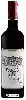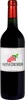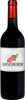
Winery GinestetMerlot
 Red wine
In the mouth this red wine is a powerful with a nice balance between acidity and tannins.
This wine generally goes well with beef, veal or pasta.
Taste structure of the Merlot from the Winery Ginestet
Light | Bold | |
Smooth | Tannic | |
Dry | Sweet | |
Soft | Acidic |
In the mouth the Merlot of Winery Ginestet in the region of Atlantique is a powerful with a nice balance between acidity and tannins.
Food and wine pairings with Merlot
Pairings that work perfectly with Merlot



Original food and wine pairings with Merlot
The Merlot of Winery Ginestet matches generally quite well with dishes of beef, pasta or veal such as recipes of greek moussaka, lasagne with salmon, goat cheese and spinach or veal cutlets parmigiana.
Details and technical informations about Winery Ginestet's Merlot.
Discover the grape variety: Merlot
Merlot noir is a grape variety that originated in France (Bordeaux). It produces a variety of grape specially used for wine making. It is rare to find this grape to eat on our tables. This variety of grape is characterized by small to medium sized bunches, and medium sized grapes. Merlot noir can be found in many vineyards: South West, Languedoc & Roussillon, Cognac, Bordeaux, Loire Valley, Armagnac, Burgundy, Jura, Champagne, Rhone Valley, Beaujolais, Provence & Corsica, Savoie & Bugey.
Informations about the Winery Ginestet
The Winery Ginestet is one of wineries to follow in Atlantique.. It offers 235 wines for sale in the of Atlantique to come and discover on site or to buy online.

The wine region of Atlantique
The regional name of Vin de pays de l'Atlantique exists since 2006. For red, rosé and white wines, it brings together 76 producer and Cellar members in Gironde, Dordogne and other departments of Poitou and Aquitaine, for a production of 39. 500 hectolitres of wine, 62% of which is red wine. This denomination is a complement of range of the AOC of Bordeaux.
The word of the wine: Acescence
An alteration in wine also known as pitting (hence the expression piqué wine), due to the presence of acetic acid and ethyl acetate, and characterized by a vinegar-like odor.