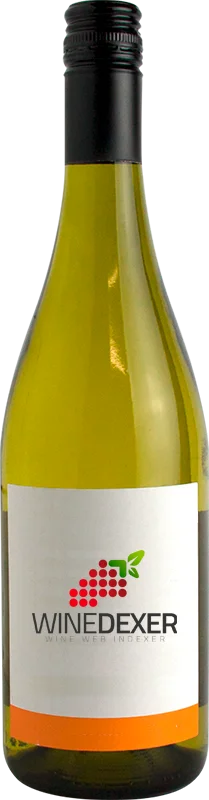
Winery Giacomo VicoBirbet Mosto d'Uva Parzialmente Fermentato
 Sweet wine



This wine generally goes well with beef, game (deer, venison) or lamb.

Food and wine pairings with Birbet Mosto d'Uva Parzialmente Fermentato
Pairings that work perfectly with Birbet Mosto d'Uva Parzialmente Fermentato



Original food and wine pairings with Birbet Mosto d'Uva Parzialmente Fermentato

The Birbet Mosto d'Uva Parzialmente Fermentato of Winery Giacomo Vico matches generally quite well with dishes of beef, pasta or lamb such as recipes of beef stew provencal style, pasta with arrabiata or lamb tagine with honey and onions.
Details and technical informations about Winery Giacomo Vico's Birbet Mosto d'Uva Parzialmente Fermentato.
Discover the grape variety: Côt
Powerful, structured reds with an almost black inky robe, firm tannins and preserved acidity, with intense aromas of blackberry, plum, blackcurrant, violet, cocoa, spice and balsamic notes. Fine ageing potential. Absolute star of Cahors AOC on the Lot terraces, where it is called Auxerrois (minimum 70% in blends), and a global conqueror as Malbec in Argentina (Mendoza). Also found in Touraine (Côt de Loire) and the South-West. Autochthonous French variety from Quercy.
Last vintages of this wine
The best vintages of Birbet Mosto d'Uva Parzialmente Fermentato from Winery Giacomo Vico are 0
Informations about the Winery Giacomo Vico
The Winery Giacomo Vico is one of of the world's great estates. It offers 18 wines for sale in the of Piedmont to come and discover on site or to buy online.

The wine region of Piedmont
Kingdom of Nebbiolo: Barolo and Barbaresco DOCG, long-ageing reds with firm tannins and lively acidity, complex aromas of withered rose, sour cherry, tar, truffle and undergrowth. More accessible, tangy Barbera on red fruit, supple, crisp Dolcetto. Sweet, floral sparkling Moscato d'Asti, mineral, lemony Gavi (Cortese) white, round, almondy Arneis from Roero. 50,000 ha across the Langhe, Roero and Monferrato, UNESCO.
The word of the wine: Tense
Said of a lively and nervous wine.