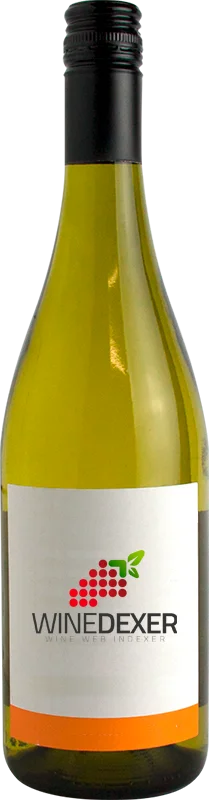
Winery Marks & SpencerCatarratto - Pinot Grigio
 White wine


This wine generally goes well with poultry, veal or shellfish.
Food and wine pairings with Catarratto - Pinot Grigio
Pairings that work perfectly with Catarratto - Pinot Grigio



Original food and wine pairings with Catarratto - Pinot Grigio
The Catarratto - Pinot Grigio of Winery Marks & Spencer matches generally quite well with dishes of veal, shellfish or poultry such as recipes of osso-bucco with asian flavours, funambuline style, navarin of the sea da gigi or spit-roasted chicken.
Details and technical informations about Winery Marks & Spencer's Catarratto - Pinot Grigio.
Discover the grape variety: Completer
Very old vine cultivated in Switzerland (canton of Grisons) where writings relating its presence were found in Malans dating from 1321, its origin would however be Italian. It is related to the white humagne, the bondola bianca, the bondoletta, the marzemino and the lafnetscha its mother. It should be noted that the Completer is today little multiplied in Switzerland, almost unknown in France and even less in the other wine-producing countries.
Last vintages of this wine
The best vintages of Catarratto - Pinot Grigio from Winery Marks & Spencer are 2013
Informations about the Winery Marks & Spencer
The Winery Marks & Spencer is one of wineries to follow in Sicile.. It offers 455 wines for sale in the of Sicily to come and discover on site or to buy online.

The wine region of Sicily
Sicily is the Southernmost region of Italy, and the largest island in the Mediterranean Sea. For over 2500 years, Sicily (Sicilia in Italian) has been an important centre of Mediterranean viticulture, although the reputation and style of its wines have changed considerably over time. The island was once best known for its Sweet muscatels (see Pantelleria), and later for its fortified Marsala. Today, many of its best-known wines are Dry table wines produced under the regional designation IGT Terre Siciliane, or Sicilia DOC (see below).
The word of the wine: Sweet
Generic term for wines containing residual sugar (natural sugars in the grapes that have not been transformed into alcohol). It is also used to describe a wine with a dominantly sweet flavour, without further explanation.