The Winery Gaumonte of Chablis of Burgundy
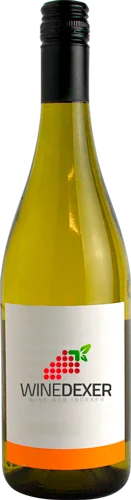
The Winery Gaumonte is one of the best wineries to follow in Chablis.. It offers 1 wines for sale in of Chablis to come and discover on site or to buy online.
Looking for the best Winery Gaumonte wines in Chablis among all the wines in the region? Check out our tops of the best red, white or effervescent Winery Gaumonte wines. Also find some food and wine pairings that may be suitable with the wines from this area. Learn more about the region and the Winery Gaumonte wines with technical and enological descriptions.
How Winery Gaumonte wines pair with each other generally quite well with dishes of pork, rich fish (salmon, tuna etc) or shellfish such as recipes of savoyard pizza (cream base), baked mackerel or paella de marisco (seafood paella).
In the mouth the white wine of Winery Gaumonte. is a with a nice freshness.
Chablis is a historic town and wine region in NorthCentralFrance. It produces light, Dry white wines, renowned for their minerality and lively Acidity. AOC Chablis wines are produced exclusively from the Chardonnay grape.
The wines of Chablis are made in a rather different style from those produced elsewhere in Burgundy.
They are drier and fresher, rather than heavier and more Aromatic. Most basic Chablis is fermented and aged in stainless steel, with the use of oak barrels being more common for the top wines, although large used barrels are more likely to be used than New ones, and the wines spend less time in them than in Côte d'Or.
The town and its vineyards are located a considerable distance (over 100 kilometers) northwest of the main wine regions of Burgundy, from the Côte de Nuits to the Maconnais. They are actually closer to Sancerre (Loire) and Les Riceys (southern Champagne) and to the city of Paris.
Planning a wine route in the of Chablis? Here are the wineries to visit and the winemakers to meet during your trip in search of wines similar to Winery Gaumonte.
Interspecific crossing carried out by Bertille Seyve (1864-1944) between the 2003 Seibel and the Noah, which it closely resembles. It was mainly cultivated in the western departments of France, but also in the Rhône valley and the Ain.