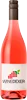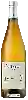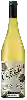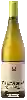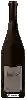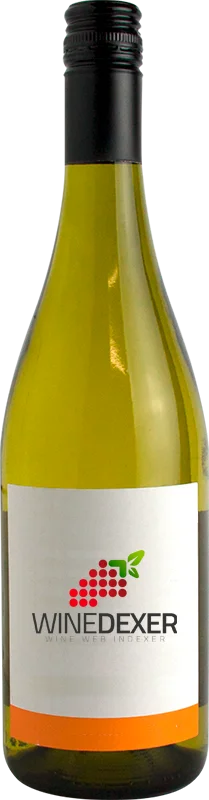
Winery GaïaCôtes Catalanes Blanc
 White wine



In the mouth this white wine is a .
This wine generally goes well with vegetarian, poultry or lean fish.

Taste structure of the Côtes Catalanes Blanc from the Winery Gaïa
Light | Bold | |
Dry | Sweet | |
Soft | Acidic |
In the mouth the Côtes Catalanes Blanc of Winery Gaïa in the region of Pays d'Oc is a .
Food and wine pairings with Côtes Catalanes Blanc
Pairings that work perfectly with Côtes Catalanes Blanc



Original food and wine pairings with Côtes Catalanes Blanc


The Côtes Catalanes Blanc of Winery Gaïa matches generally quite well with dishes of pasta, vegetarian or poultry such as recipes of spinach, smoked salmon and ricotta lasagne, light tuna-tomato quiche (without cream) or chicken chop suey.
Details and technical informations about Winery Gaïa's Côtes Catalanes Blanc.
Discover the grape variety: Ugni
Simple, lively and crisp whites with a pale golden colour, a light palate with pronounced acidity and discreet aromas of citrus (lemon) and white flowers. Productive and high in acid. Ugni Blanc is mainly grown in Charente and Gascony for the production of Cognac and Armagnac, defining the aromatic identity of French brandies (rancio notes with ageing). Family of Italian grape varieties (Trebbiano) grown in France for distillation.
Last vintages of this wine
The best vintages of Côtes Catalanes Blanc from Winery Gaïa are 0, 2018
Informations about the Winery Gaïa
The Winery Gaïa is one of of the world's greatest estates. It offers 4 wines for sale in the of Côtes Catalanes to come and discover on site or to buy online.

The wine region of Côtes Catalanes
Expressive Roussillon heartland: signature Grenache Noir as the red king — fleshy and sunny with notes of ripe cherry, raspberry, garrigue, spices and a peppery touch, round tannins and generous alcohol on schist. Deep Syrah, dense Carignan and Mourvèdre as support. Grenache Gris/Blanc, Macabeu and Vermentino in round whites (fennel, citrus, flowers). Aromatic Muscats.
The wine region of Pays d'Oc
The single-grape IGP par excellence: modern, accessible, frank and fruity wines, the popular signature of the Midi. Spicy Syrah reds (pepper, blackberry), round Merlot, structured Cabernet, generous Grenache, supple Cinsault. Crisp, tangy rosés. Opulent Chardonnay whites, lively Sauvignon, floral, apricoty Viognier.
The word of the wine: Reasoned (agriculture)
Conventional agriculture but concerned with limiting synthetic treatments as much as possible.