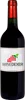
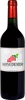
Winery FürstenfassCuvée Alter Berg Royal Trocken
 Red wine


This wine is a blend of 3 varietals which are the Cabernet-Mitos, the Pinot noir and the Merlot.
This wine generally goes well with pork, poultry or beef.
Food and wine pairings with Cuvée Alter Berg Royal Trocken
Pairings that work perfectly with Cuvée Alter Berg Royal Trocken



Original food and wine pairings with Cuvée Alter Berg Royal Trocken



The Cuvée Alter Berg Royal Trocken of Winery Fürstenfass matches generally quite well with dishes of beef, veal or pork such as recipes of alsatian bäckeoffe, veal paupiettes with onions and tomatoes or home-made coq au vin.
Details and technical informations about Winery Fürstenfass's Cuvée Alter Berg Royal Trocken.
Discover the grape variety: Cabernet-Mitos
An intraspecific cross between Cabernet Sauvignon and Dyer du Cher obtained in 1970 in Weinsberg, Germany. It can be found in Germany, Switzerland, etc. and is virtually unknown in France.
Last vintages of this wine
The best vintages of Cuvée Alter Berg Royal Trocken from Winery Fürstenfass are 0
Informations about the Winery Fürstenfass
The Winery Fürstenfass is one of of the world's greatest estates. It offers 84 wines for sale in the of Württemberg to come and discover on site or to buy online.

The wine region of Württemberg
Württemberg is known as Germany's premier red wine region. With almost 11,500 hectares (28,500 acres) of vineyards, it is the fourth-largest wine region in the country. Found adjacent to Baden and South of Franken, Wüttemberg is a particularly hilly and rural wine-region. Almost 70-percent of Württemberg wines are red, predominantly made from Trollinger, SchwarzRiesling and Lemberger.
The word of the wine: Ladle
Said of a wine that is not clear due to the presence of colloidal suspensions that prevent the passage of light.