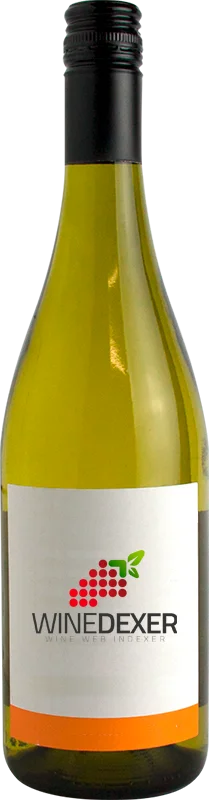
Winery FrascoleBitornino Toscana Bianco
 White wine



In the mouth this white wine is a with a nice freshness.
This wine generally goes well with vegetarian, appetizers and snacks or lean fish.

Taste structure of the Bitornino Toscana Bianco from the Winery Frascole
Light | Bold | |
Dry | Sweet | |
Soft | Acidic |
In the mouth the Bitornino Toscana Bianco of Winery Frascole in the region of Tuscany is a with a nice freshness.
Food and wine pairings with Bitornino Toscana Bianco
Pairings that work perfectly with Bitornino Toscana Bianco



Original food and wine pairings with Bitornino Toscana Bianco


The Bitornino Toscana Bianco of Winery Frascole matches generally quite well with dishes of pasta, vegetarian or appetizers and snacks such as recipes of chinese noodles with shrimp, zucchini and goat cheese quiche or chorizo puff pastry.
Details and technical informations about Winery Frascole's Bitornino Toscana Bianco.
Discover the grape variety: Bacchus blanc
Aromatic dry and off-dry whites with a pale golden colour, a supple palate with moderate acidity, and signature perfumed aromas of white flowers (elderflower), muscat, citrus and white-fleshed fruits. Expressive, early-ripening and productive profile. Grown in Germany, England and Luxembourg, contributing to aromatic whites of northern Europe. German white variety bred in 1933 at Geilweilerhof, a cross of (Silvaner × Riesling) × Müller-Thurgau.
Last vintages of this wine
The best vintages of Bitornino Toscana Bianco from Winery Frascole are 0
Informations about the Winery Frascole
The Winery Frascole is one of of the world's greatest estates. It offers 12 wines for sale in the of Tuscany to come and discover on site or to buy online.

The wine region of Tuscany
Kingdom of Sangiovese: upright reds with cherry, plum, dried herbs and leather, lively acidity and firm tannins. Fleshy, food-friendly Chianti Classico DOCG, deep long-ageing Brunello di Montalcino (spice, tobacco, ripe black fruit), elegant Vino Nobile di Montepulciano. On the coast, Bolgheri crafts the opulent Cabernet- and Merlot-based 'Super Tuscans'. Some fresh white Vernaccia.
The word of the wine: Stabilization
All the treatments intended for the good conservation of wines.