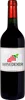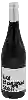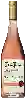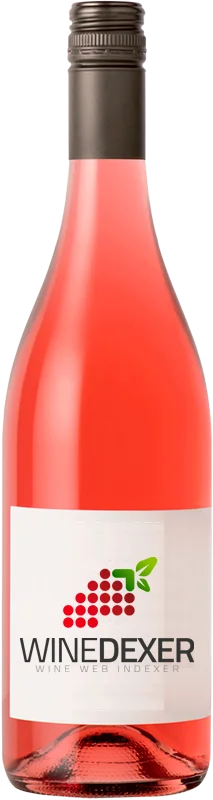
Winery Françoise ChauvenetLajolie Grenache Rosé
 Pink wine



In the mouth this pink wine is a with a nice freshness.
This wine generally goes well with vegetarian, appetizers and snacks or lean fish.
Taste structure of the Lajolie Grenache Rosé from the Winery Françoise Chauvenet
Light | Bold | |
Dry | Sweet | |
Soft | Acidic |
In the mouth the Lajolie Grenache Rosé of Winery Françoise Chauvenet in the region of Vin de France is a with a nice freshness.
Food and wine pairings with Lajolie Grenache Rosé
Pairings that work perfectly with Lajolie Grenache Rosé



Original food and wine pairings with Lajolie Grenache Rosé


The Lajolie Grenache Rosé of Winery Françoise Chauvenet matches generally quite well with dishes of pasta, vegetarian or appetizers and snacks such as recipes of pasta stuffed with meat, quiche with bacon and gruyère cheese or peach and tuna verrine.
Details and technical informations about Winery Françoise Chauvenet's Lajolie Grenache Rosé.
Discover the grape variety: Mireille
A cross between Italia and Perle de Csaba, registered in 1972 in the Official Catalogue of cultivated table grape varieties, list A1. Mireille has been very little propagated and is therefore almost unknown in France and abroad. - Synonymy: no known synonyms (for all the synonyms of the varieties, click here!).
Informations about the Winery Françoise Chauvenet
The Winery Françoise Chauvenet is one of of the world's greatest estates. It offers 129 wines for sale in the of Vin de France to come and discover on site or to buy online.

The wine region of Vin de France
Vin de France is the most basic level of quality for wines from France. These are generally uncomplicated everyday drinks - most often blends, but perhaps also Varietal wines based on a well-known Grape variety such as Cabernet Sauvignon, Merlot, Chardonnay or Sauvignon Blanc. Wines from France are those that do not meet the criteria stipulated by the Protected Designation of Origin (PDO) or Protected Geographical Indication (PGI) laws (see information on French wine labels). This may be because the vineyards are outside the delimited production areas or because the grape varieties or winemaking techniques used do not conform to the rules of the local appellations.
The word of the wine: Body
Character of a wine combining a good constitution (structure and flesh) with warmth.