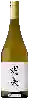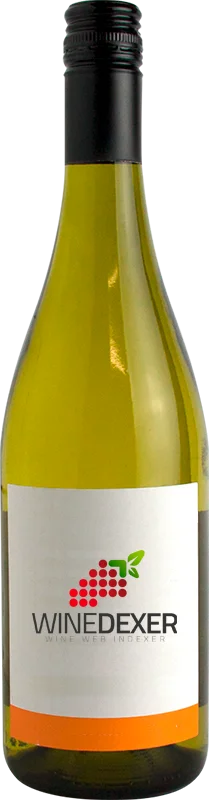
Winery Franco-EspanolasRoyal Viura Rioja
 White wine


In the mouth this white wine is a powerful with a nice freshness.
This wine generally goes well with appetizers and snacks, lean fish or shellfish.

Taste structure of the Royal Viura Rioja from the Winery Franco-Espanolas
Light | Bold | |
Dry | Sweet | |
Soft | Acidic |
In the mouth the Royal Viura Rioja of Winery Franco-Espanolas in the region of Rioja is a powerful with a nice freshness.
Wine flavors and olphactive analysis



On the nose the Royal Viura Rioja of Winery Franco-Espanolas in the region of Rioja often reveals types of flavors of citrus, apples or apricot and sometimes also flavors of stone, stone fruit or earth.
Food and wine pairings with Royal Viura Rioja
Pairings that work perfectly with Royal Viura Rioja



Original food and wine pairings with Royal Viura Rioja

The Royal Viura Rioja of Winery Franco-Espanolas matches generally quite well with dishes of shellfish, appetizers and snacks or lean fish such as recipes of mi sao, sweet potato chips or fideuà (spain).
Details and technical informations about Winery Franco-Espanolas's Royal Viura Rioja.
Discover the grape variety: Ehrenbreitsteiner
Aromatic and supple whites with a pale golden robe, an airy palate with moderate acidity, signature aromas of yellow fruits (peach, apricot), white flowers and light musky notes. Mainly used for sweet wines. Grown on very small surfaces in Germany, remains niche and preserved for its ampelographic value. German white grape obtained at Geisenheim (Reichensteiner x Kerner), early-ripening and resistant.
Last vintages of this wine

The best vintages of Royal Viura Rioja from Winery Franco-Espanolas are 2018, 2015, 2012, 2010 and 2011.
Informations about the Winery Franco-Espanolas
The Winery Franco-Espanolas is one of of the world's greatest estates. It offers 52 wines for sale in the of Rioja to come and discover on site or to buy online.

The wine region of Rioja
Star of great Spanish reds: signature Tempranillo, elegant and complex, with notes of ripe cherry, plum, leather, vanilla and tobacco from American oak ageing. Classification by age: fruity Joven, balanced Crianza, ample Reserva, deep, silky Gran Reserva (5 years, 2 in barrel). Some fresh Viura whites and generous rosés. Spain's first DOCa (1991), 3 sub-zones (Alta, Alavesa, Oriental), 93.
The word of the wine: Extra raw
Champagne dosed between 0 and 6 grams of sugar (see dosage liqueur).