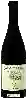
Domaine Saint HilaireBarrel Select Grenache
 Red wine
This wine generally goes well with poultry, beef or lamb.

Food and wine pairings with Barrel Select Grenache
Pairings that work perfectly with Barrel Select Grenache



Original food and wine pairings with Barrel Select Grenache

The Barrel Select Grenache of Domaine Saint Hilaire matches generally quite well with dishes of beef, pasta or lamb such as recipes of burger roll, pasta shells or mansaf, or jordanian lamb (jordan).
Details and technical informations about Domaine Saint Hilaire's Barrel Select Grenache.
Discover the grape variety: Sémillon
Rich, structured whites with a golden robe, full palate and moderate acidity. Aromas of yellow fruits (peach, apricot), honey, white flowers, beeswax, brioche and white truffle with age. Exceptional aptitude for noble rot. Star of Sauternes AOC and Barsac AOC, pillar of dry whites in Graves and Pessac-Léognan AOC, and of long-lived dry whites in Hunter Valley (Australia). Native Bordeaux variety.
Informations about the Domaine Saint Hilaire
The Domaine Saint Hilaire is one of of the world's great estates. It offers 38 wines for sale in the of Languedoc-Roussillon to come and discover on site or to buy online.

The wine region of Languedoc-Roussillon
Largest single French vineyard, dominated by sunny, generous reds. Spicy Syrah, candied Grenache (ripe fruit, garrigue), structured Carignan, deep Mourvèdre, supple Cinsault. Stars: structured Corbières, Minervois, Faugères, Saint-Chinian; round Côtes-du-Roussillon. Legendary vins doux naturels: Banyuls and Maury (fortified Grenache) with notes of cocoa, fig, prune.
The word of the wine: MA
Auxiliary brand or buyer's brand (supermarket for example) gathering champagnes of various origins. It offers no guarantee of quality or traceability.