The Château de Ribaute of Corbières of Languedoc-Roussillon
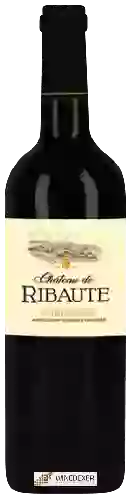
Château de Ribaute
The winery offers 5 different wines
3.5


Note - 1Note - 1Note - 1Note - 0.5Note - 0
Its wines get an average rating of 3.5.
It is ranked in the top 163 of the estates of Languedoc-Roussillon.
It is located in Corbières in the region of Languedoc-Roussillon

The Château de Ribaute is one of the best wineries to follow in Corbières.. It offers 5 wines for sale in of Corbières to come and discover on site or to buy online.
Top Château de Ribaute wines

Looking for the best Château de Ribaute wines in Corbières among all the wines in the region? Check out our tops of the best red, white or effervescent Château de Ribaute wines. Also find some food and wine pairings that may be suitable with the wines from this area. Learn more about the region and the Château de Ribaute wines with technical and enological descriptions.

The top red wines of Château de Ribaute

Food and wine pairings with a red wine of Château de Ribaute

How Château de Ribaute wines pair with each other generally quite well with dishes of beef, pasta or veal such as recipes of beef stew provencal style, pasta "carbonara" à la française or filet mignon with prunes and white wine.

Organoleptic analysis of red wines of Château de Ribaute

In the mouth the red wine of Château de Ribaute. is a powerful with a nice balance between acidity and tannins.

The best vintages in the red wines of Château de Ribaute

  • 2016With an average score of 3.64/5
  • 2018With an average score of 3.50/5
  • 2015With an average score of 3.50/5
  • 2013With an average score of 3.50/5
  • 2012With an average score of 3.30/5

The grape varieties most used in the red wines of Château de Ribaute.

  • Shiraz/Syrah
  • Grenache

Discovering the wine region of Corbières

Largest AOC in Languedoc, 95% Mediterranean reds. Signature old-vine Carignan (up to 60%): fleshy reds with black fruit, garrigue, black olive, spice and tight tannins. Blended with round, sunny Grenache, peppery Syrah, dense Mourvèdre and supple Cinsault. A few fresh rosés and whites (Grenache Blanc, Roussanne).

Cru Boutenac at the top (2005). 13,500 ha in the Aude, varied soils. Sun-drenched wines of assertive character.

The top pink wines of Château de Ribaute

Food and wine pairings with a pink wine of Château de Ribaute

How Château de Ribaute wines pair with each other generally quite well with dishes of pasta, vegetarian or appetizers and snacks such as recipes of fish with tamarind, cream and tuna quiche or sweet potato chips.

Organoleptic analysis of pink wines of Château de Ribaute

On the nose the pink wine of Château de Ribaute. often reveals types of flavors of tree fruit. In the mouth the pink wine of Château de Ribaute. is a with a nice freshness.

The best vintages in the pink wines of Château de Ribaute

  • 2019With an average score of 3.90/5
  • 2016With an average score of 3.90/5
  • 2014With an average score of 3.80/5
  • 2015With an average score of 3.80/5
  • 2017With an average score of 3.70/5
  • 2018With an average score of 3.60/5

The grape varieties most used in the pink wines of Château de Ribaute.

  • Shiraz/Syrah
  • Grenache

Discover the grape variety: Posip Bijeli

Structured, aromatic dry whites with a pale golden robe, ample palate and preserved acidity, with signature aromas of citrus (lemon), white flowers (acacia), stone fruits (peach, apricot) and saline marine notes. Distinctive island character. Star of the island whites of Korčula, typical expression of the limestone coastal terroirs of the Croatian Adriatic. Orthographic variant of Pošip bijeli, indigenous Croatian white variety from the island of Korčula, Dalmatia.

Discover other wineries and winemakers neighboring the Château de Ribaute

Planning a wine route in the of Corbières? Here are the wineries to visit and the winemakers to meet during your trip in search of wines similar to Château de Ribaute.

Discover the grape variety: Artaban

Supple, fruity reds with a moderate ruby robe, silky tannins and an airy palate with preserved acidity, showing signature aromas of red fruits (cherry, raspberry) and spicy notes. Easy drinking when young. Listed in the official French grape variety catalogue, representing the future of lower-input viticulture and progressively adopted in France. French black hybrid obtained in 2000 by INRA (Resdur1 series), resistant to downy and powdery mildew.