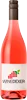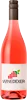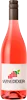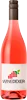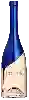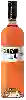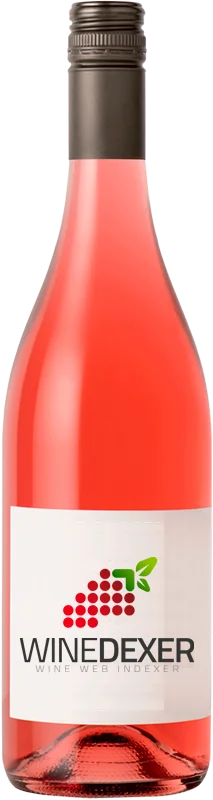
Winery Les Maitres Vignerons de la Presqu'ile de Saint-TropezPour Nos Océans Le Rosé Bleu
 Pink wine



This wine is a blend of 5 varietals which are the Carignan, the Cinsault, the Mourvèdre, the Syrah and the Grenache noir.
In the mouth this pink wine is a with a nice freshness.
This wine generally goes well with pork, vegetarian or poultry.
Taste structure of the Pour Nos Océans Le Rosé Bleu from the Winery Les Maitres Vignerons de la Presqu'ile de Saint-Tropez
Light | Bold | |
Dry | Sweet | |
Soft | Acidic |
In the mouth the Pour Nos Océans Le Rosé Bleu of Winery Les Maitres Vignerons de la Presqu'ile de Saint-Tropez in the region of Provence is a with a nice freshness.
Food and wine pairings with Pour Nos Océans Le Rosé Bleu
Pairings that work perfectly with Pour Nos Océans Le Rosé Bleu



Original food and wine pairings with Pour Nos Océans Le Rosé Bleu

The Pour Nos Océans Le Rosé Bleu of Winery Les Maitres Vignerons de la Presqu'ile de Saint-Tropez matches generally quite well with dishes of pork, shellfish or vegetarian such as recipes of tartiflette, paella josé style or quiche without pastry.
Details and technical informations about Winery Les Maitres Vignerons de la Presqu'ile de Saint-Tropez's Pour Nos Océans Le Rosé Bleu.
Discover the grape variety: Carignan
Mainly cultivated in the Languedoc region, carignan originates from Spain. Because of its very resistant branches, it is often called hardwood. Its bunches are quite large. They are compact and winged with a lignified stalk. The berries are spherical in shape and take on a bluish-black colour. Carignan has a total of 25 approved clones, the best known of which are 274, 65 and 9. The carignan buds at the beginning of June and is protected from spring frosts. It does not reach maturity until the third period. Also, this grape variety needs warmth and sunshine. It appreciates dry and not very fertile soils. Carignan vines can live for more than 100 years. Those that are more than 30 years old produce a better wine. This wine is well coloured. It is generous and powerful at the same time. Pepper, cherry, blackberry, banana, raspberry, almond, prune and violet are some of the aromas that this grape variety gives off.
Last vintages of this wine
The best vintages of Pour Nos Océans Le Rosé Bleu from Winery Les Maitres Vignerons de la Presqu'ile de Saint-Tropez are 0
Informations about the Winery Les Maitres Vignerons de la Presqu'ile de Saint-Tropez
The Winery Les Maitres Vignerons de la Presqu'ile de Saint-Tropez is one of of the world's great estates. It offers 156 wines for sale in the of Côtes de Provence to come and discover on site or to buy online.

The wine region of Côtes de Provence
The AOC Côtes de Provence is the largest appellation in the Provence wine region of southeastern France. It covers about 20,000 hectares of vineyards, which produce the vast majority of Provence's rosé wine. This appellation includes most of the vineyards in the Var department - essentially the eastern half of the Provence wine region - with the exception of 2,250 hectares North of Toulon which are reserved for the Côteaux Varois en Provence appellation. Although it also covers red and white wine, about 80% of Côtes de Provence production is rosé.
The wine region of Provence
Provence is a wine region in the far southeast of France, best known for the quality (and quantity) of its rosé wines and for its Warm, mild Climate. The modernization that is taking place in many of the traditional wine regions of southern France has not yet taken place to the same extent in Provence, but there are Clear signs of change. The region's Grape varieties, in particular, have come under scrutiny in recent decades. Traditional varieties such as Carignan, Barbaroux (Barbarossa from Sardinia) and Calitor are being replaced by more commercially viable varieties such as Grenache, Syrah and even Cabernet Sauvignon.
The word of the wine: Stamping
Marking of corks, barrels or cases with an iron.