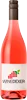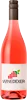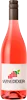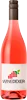
Les Maitres Vignerons de la Presqu'ile de Saint-TropezLe Café Côtes de Provence
 Pink wine
This wine generally goes well with pork, vegetarian or poultry.

Food and wine pairings with Le Café Côtes de Provence
Pairings that work perfectly with Le Café Côtes de Provence



Original food and wine pairings with Le Café Côtes de Provence

The Le Café Côtes de Provence of Les Maitres Vignerons de la Presqu'ile de Saint-Tropez matches generally quite well with dishes of pork, shellfish or vegetarian such as recipes of quiche without pastry, scupion (small cuttlefish) in hot sauce or quiche without pastry.
Details and technical informations about Les Maitres Vignerons de la Presqu'ile de Saint-Tropez's Le Café Côtes de Provence.
Discover the grape variety: Aledo
Table grape with long bunches and juicy, crunchy golden berries, firm flesh and a neutral sweet flavour, prized for its exceptional shelf life. Late ripening. Grown mainly for end-of-year consumption (Christmas grape) in the Vinalopó (Alicante), it benefits from the IGP Uva de Mesa Embolsada del Vinalopó. Spanish white table grape variety, native to the Valencia and Alicante region.
Informations about the Les Maitres Vignerons de la Presqu'ile de Saint-Tropez
The Les Maitres Vignerons de la Presqu'ile de Saint-Tropez is one of wineries to follow in Côtes de Provence.. It offers 157 wines for sale in the of Côtes de Provence to come and discover on site or to buy online.

The wine region of Côtes de Provence
World reference for pale, elegant rosé: salmon to onion-skin hue, notes of strawberry, pink grapefruit, white peach and flowers, fresh, dry, mineral palate, taut finish. 90% of output, the Provençal signature. Grenache, Cinsault, Syrah and native Tibouren in the blend. A few fleshy Mediterranean reds (Mourvèdre, Syrah) and saline Vermentino whites.
The wine region of Provence
World capital of dry, refined rosé (~90% of production). Pale rose-petal colour, delicate nose of fresh red fruits (strawberry, raspberry, redcurrant), citrus (pink grapefruit), white flowers and a mineral touch, taut and thirst-quenching palate — the Mediterranean aperitif par excellence. Blends of Grenache, Cinsault, Syrah, Tibouren and Mourvèdre. Fleshy Bandol reds from Mourvèdre (leather, garrigue, age-worthy), straight Cassis whites.
The word of the wine: Malolactic fermentation
Called second fermentation or malo for short. It is the degradation (under the effect of bacteria) of the malic acid naturally present in the wine into milder, less aggressive lactic acid. Some producers or wineries refuse this operation by "blocking the malo" (by cold and adding SO2) to keep a maximum of acidity which carries the aromas and accentuates the sensation of freshness.