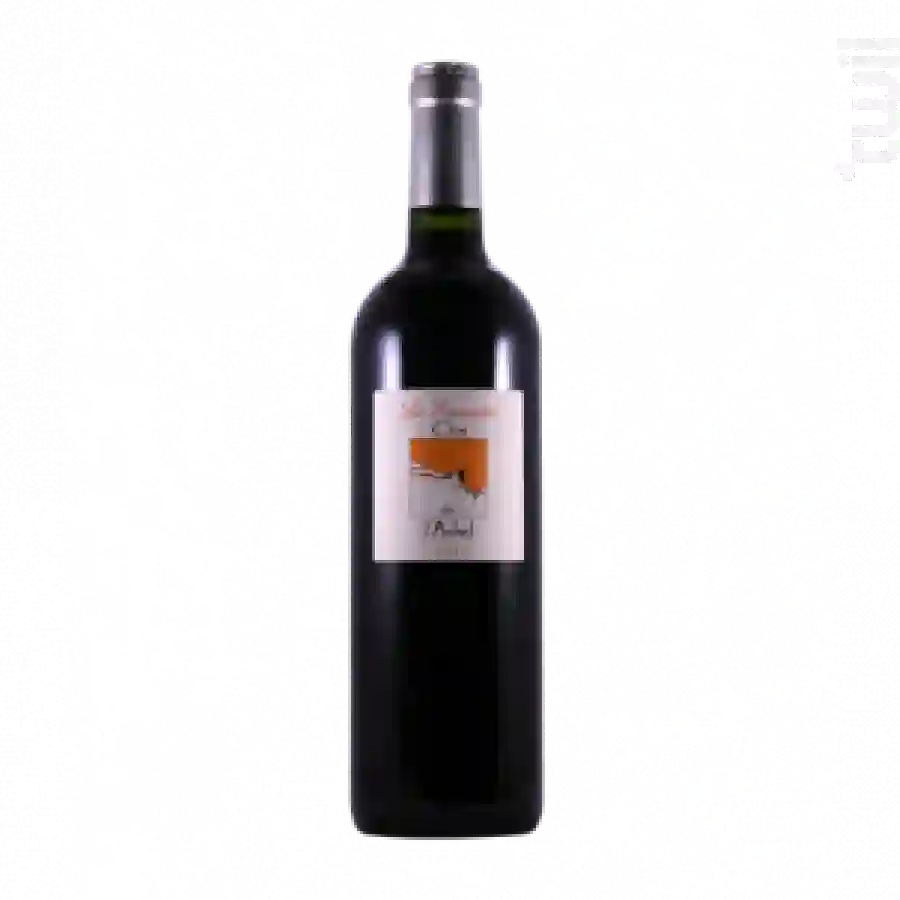
Clos de l'AnhelPage Blanche
 White wine
This wine generally goes well with poultry, rich fish (salmon, tuna etc) or shellfish.

Food and wine pairings with Page Blanche
Pairings that work perfectly with Page Blanche



Original food and wine pairings with Page Blanche
The Page Blanche of Clos de l'Anhel matches generally quite well with dishes of rich fish (salmon, tuna etc), shellfish or poultry such as recipes of quebec style barbecued salmon, scallops or scallops express with cognac or senegalese rice.
Details and technical informations about Clos de l'Anhel's Page Blanche.
Discover the grape variety: Tempranillo
Elegant, structured reds with aromas of strawberry, cherry, plum, leather, blond tobacco and pronounced vanilla from long oak ageing. Ranges from Joven to Crianza, Reserva and Gran Reserva. Star of Rioja DOCa, Ribera del Duero DO and Toro DO, also shines in the Douro as Tinta Roriz/Aragonez. One of the world's most planted Spanish varieties.
Informations about the Clos de l'Anhel
The Clos de l'Anhel is one of of the world's greatest estates. It offers 7 wines for sale in the of Vin de Pays to come and discover on site or to buy online.

The wine region of Vin de Pays
Intermediate category between AOC and Vin de France (renamed IGP in 2009), 27% of national volume. Accessible, expressive wines defined by their grape: opulent Chardonnay, lively Sauvignon, round Merlot, peppery Syrah, floral Viognier with apricot. 76 IGP in France at 3 scales: regional (Pays d'Oc, Méditerranée, Val de Loire), departmental or local. Flexible rules, wide range of permitted grapes, free grape and vintage labelling.
The wine region of Pays d'Oc
The single-grape IGP par excellence: modern, accessible, frank and fruity wines, the popular signature of the Midi. Spicy Syrah reds (pepper, blackberry), round Merlot, structured Cabernet, generous Grenache, supple Cinsault. Crisp, tangy rosés. Opulent Chardonnay whites, lively Sauvignon, floral, apricoty Viognier.
The word of the wine: Pommadé
Said of a wine that is unbalanced, pasty, syrupy, and whose excessive sugar content gives an impression of heaviness.