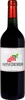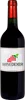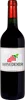
Winery Julie BrosselinRue de la Peste
 Red wine


In the mouth this red wine is a powerful with a nice balance between acidity and tannins.
This wine generally goes well with beef, veal or pasta.

Taste structure of the Rue de la Peste from the Winery Julie Brosselin
Light | Bold | |
Smooth | Tannic | |
Dry | Sweet | |
Soft | Acidic |
In the mouth the Rue de la Peste of Winery Julie Brosselin in the region of Languedoc-Roussillon is a powerful with a nice balance between acidity and tannins.
Wine flavors and olphactive analysis

On the nose the Rue de la Peste of Winery Julie Brosselin in the region of Languedoc-Roussillon often reveals types of flavors of earth.
Food and wine pairings with Rue de la Peste
Pairings that work perfectly with Rue de la Peste



Original food and wine pairings with Rue de la Peste
The Rue de la Peste of Winery Julie Brosselin matches generally quite well with dishes of beef, pasta or veal such as recipes of tournedos rossini, makroud or moroccan style veal brochette.
Details and technical informations about Winery Julie Brosselin's Rue de la Peste.
Discover the grape variety: Ull de Llebre
Structured, elegant reds with a deep ruby colour, soft to firm tannins and a full palate, showing signature aromas of red fruits (cherry, strawberry), black fruits (blackberry), plum, tobacco, leather and vanilla from oak ageing. Good ageing potential. The star of great Catalan reds from DO Penedès, Costers del Segre and Conca de Barberà. Catalan synonym for Tempranillo ("eye of the hare"), the native black variety of the Iberian plateau.
Last vintages of this wine

The best vintages of Rue de la Peste from Winery Julie Brosselin are 2015, 2016
Informations about the Winery Julie Brosselin
The Winery Julie Brosselin is one of of the world's greatest estates. It offers 6 wines for sale in the of Languedoc-Roussillon to come and discover on site or to buy online.

The wine region of Languedoc-Roussillon
Largest single French vineyard, dominated by sunny, generous reds. Spicy Syrah, candied Grenache (ripe fruit, garrigue), structured Carignan, deep Mourvèdre, supple Cinsault. Stars: structured Corbières, Minervois, Faugères, Saint-Chinian; round Côtes-du-Roussillon. Legendary vins doux naturels: Banyuls and Maury (fortified Grenache) with notes of cocoa, fig, prune.
The word of the wine: Left bank
In Bordeaux, refers to the vineyards located on the left bank of the Gironde, where the dominant grape variety is Cabernet Sauvignon. These are the Medoc, Haut-Médoc, Pessac-Leognan, Graves, etc. appellations.