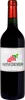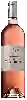
Château DufilhotBordeaux Clairet Rosé
 Pink wine


This wine is a blend of 2 varietals which are the Malbec and the Merlot.
This wine generally goes well with poultry, beef or game (deer, venison).
Food and wine pairings with Bordeaux Clairet Rosé
Pairings that work perfectly with Bordeaux Clairet Rosé



Original food and wine pairings with Bordeaux Clairet Rosé


The Bordeaux Clairet Rosé of Château Dufilhot matches generally quite well with dishes of beef, game (deer, venison) or spicy food such as recipes of stewed beef heart, rabbit with beer or chakchouka.
Discover the grape variety: Malbec
Malbec, a high-yielding red grape variety, produces tannic and colourful wines. It is produced in different wine-growing regions and changes its name according to the grape variety. Called Auxerrois in Cahors, Malbec in Bordeaux, it is also known as Côt. 6,000 hectares of the Malbec grape are grown in France (in decline since the 1950s). Malbec is also very successful in Argentina. The country has become the world's leading producer of Malbec and offers wines with great potential.
Last vintages of this wine

The best vintages of Bordeaux Clairet Rosé from Château Dufilhot are 2017, 2014, 2018, 2016 and 2012.
Informations about the Château Dufilhot
The Château Dufilhot is one of of the world's greatest estates. It offers 8 wines for sale in the of Bordeaux to come and discover on site or to buy online.

The wine region of Bordeaux
Bordeaux, in southwestern France, is one of the most famous, prestigious and prolific wine regions in the world. The majority of Bordeaux wines (nearly 90% of the production Volume) are the Dry, medium and Full-bodied red Bordeaux blends for which it is famous. The finest (and most expensive) are the wines of the great châteaux of Haut-Médoc and the right bank appellations of Saint-Émilion and Pomerol. The former focuses (at the highest level) on Cabernet Sauvignon, the latter on Merlot.
The word of the wine: Skinny
Thin and lacking in substance in the mouth.