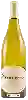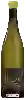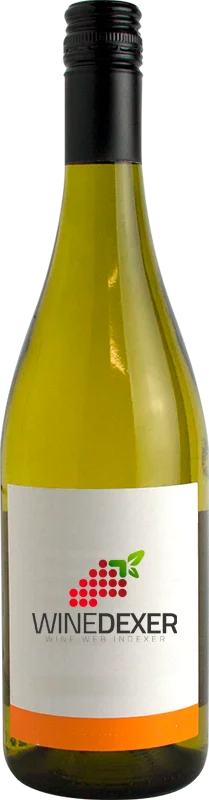
Winery LauverjatMoulin des Vrillères Sauvignon Blanc
 White wine


This wine generally goes well with vegetarian, rich fish (salmon, tuna etc) or shellfish.
Wine flavors and olphactive analysis



On the nose the Moulin des Vrillères Sauvignon Blanc of Winery Lauverjat in the region of Loire Valley often reveals types of flavors of citrus, earth or microbio and sometimes also flavors of tree fruit, citrus fruit.
Food and wine pairings with Moulin des Vrillères Sauvignon Blanc
Pairings that work perfectly with Moulin des Vrillères Sauvignon Blanc



Original food and wine pairings with Moulin des Vrillères Sauvignon Blanc
The Moulin des Vrillères Sauvignon Blanc of Winery Lauverjat matches generally quite well with dishes of rich fish (salmon, tuna etc), shellfish or vegetarian such as recipes of baked cod portuguese style, spaghetti with squid ink (italy) or spinach and goat cheese quiche.
Details and technical informations about Winery Lauverjat's Moulin des Vrillères Sauvignon Blanc.
Discover the grape variety: Castets
Castets noir is a grape variety that originated in France (South West). It produces a variety of grape specially used for wine making. It is rare to find this grape to eat on our tables. This variety of grape is characterized by medium to large bunches, and small grapes. Castets noir can be found cultivated in these vineyards: South West, Cognac, Bordeaux, Provence & Corsica, Rhone Valley.
Last vintages of this wine
The best vintages of Moulin des Vrillères Sauvignon Blanc from Winery Lauverjat are 2016
Informations about the Winery Lauverjat
The Winery Lauverjat is one of of the world's greatest estates. It offers 14 wines for sale in the of Haute Loire to come and discover on site or to buy online.

The wine region of Haute Loire
Haute Loire is an unofficial name for the wine-producing communes of the Loire Valley located upstream (South and east) from Touraine. It includes two of the Loire's most famous appellations - Sancerre and Pouilly-Fume - along with a number of lesser known appellations such as Orléans, Valencay, Quincy and Côtes du Forez. The concept of a "Haute Loire" sub-region is necessary because the appellations that make it up are not grouped by an administrative or historical region; their main commonality is their proximity to the Loire River. Most other French wine regions correspond closely to an administrative region or department (e.
The wine region of Loire Valley
The Loire Valley is a key wine region in western France. It follows the course of the Loire River on its Long journey through the heart of France, from the inland hills of the Auvergne to the plains of the French Atlantic coast near Nantes (Muscadet country). Important in terms of quantity and quality, the region produces large quantities (about 4 million h/l each year) of everyday wines, as well as some of France's greatest wines. Diversity is another of the region's major assets; the styles of wine produced here range from the light, tangy Muscadet to the Sweet, honeyed Bonnezeaux, the Sparkling whites of Vouvray and the juicy, Tannic reds of Chinon and Saumur.
The word of the wine: Draft liquor
Liqueur composed of sugar dissolved in wine, used for the dosage of sparkling wines made by the traditional method. It is also known as "liqueur d'expédition" or "liqueur de dosage".