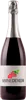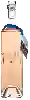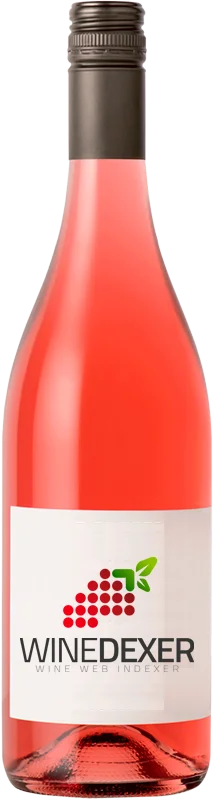
Château Sainte CroixMarjolaine Côtes de Provence Rosé
 Pink wine


In the mouth this pink wine is a .
This wine generally goes well with pork, vegetarian or poultry.

Taste structure of the Marjolaine Côtes de Provence Rosé from the Château Sainte Croix
Light | Bold | |
Dry | Sweet | |
Soft | Acidic |
In the mouth the Marjolaine Côtes de Provence Rosé of Château Sainte Croix in the region of Provence is a .
Food and wine pairings with Marjolaine Côtes de Provence Rosé
Pairings that work perfectly with Marjolaine Côtes de Provence Rosé



Original food and wine pairings with Marjolaine Côtes de Provence Rosé

The Marjolaine Côtes de Provence Rosé of Château Sainte Croix matches generally quite well with dishes of pork, shellfish or vegetarian such as recipes of spaghetti squash with cream and bacon, armorican-style squid or ham and comté quiche.
Details and technical informations about Château Sainte Croix's Marjolaine Côtes de Provence Rosé.
Discover the grape variety: Muscadelle
Aromatic, fruity whites with a tender palate, with intense aromas of muscat, white flowers, honey, candied citrus and floral notes (no genetic link to the muscat family). Minor component in the great botrytised dessert wines of Sauternes, Barsac, Cérons and Monbazillac, adding perfume and freshness. Also dry in Entre-Deux-Mers. Made as sumptuous fortified wines in Australia (Rutherglen Topaque). French variety from Bordeaux and the South-West.
Last vintages of this wine

The best vintages of Marjolaine Côtes de Provence Rosé from Château Sainte Croix are 2017, 2019, 2018
Informations about the Château Sainte Croix
The Château Sainte Croix is one of of the world's great estates. It offers 32 wines for sale in the of Provence to come and discover on site or to buy online.

The wine region of Provence
World capital of dry, refined rosé (~90% of production). Pale rose-petal colour, delicate nose of fresh red fruits (strawberry, raspberry, redcurrant), citrus (pink grapefruit), white flowers and a mineral touch, taut and thirst-quenching palate — the Mediterranean aperitif par excellence. Blends of Grenache, Cinsault, Syrah, Tibouren and Mourvèdre. Fleshy Bandol reds from Mourvèdre (leather, garrigue, age-worthy), straight Cassis whites.
The word of the wine: Monopoly (raw)
Cru exploited exclusively by a domain. The famous Romanée Conti is a monopoly cru.