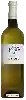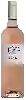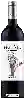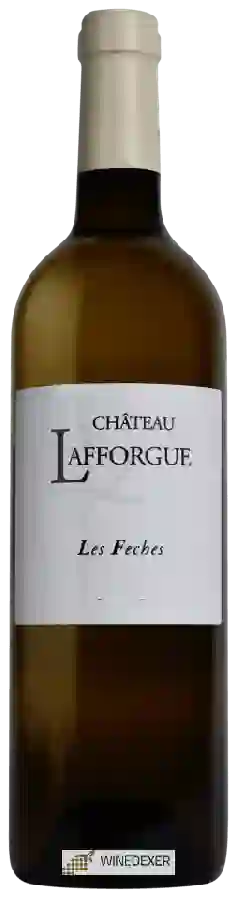
Château LafforgueLes Feches
 White wine


In the mouth this white wine is a .
This wine generally goes well with vegetarian, poultry or lean fish.
Taste structure of the Les Feches from the Château Lafforgue
Light | Bold | |
Dry | Sweet | |
Soft | Acidic |
In the mouth the Les Feches of Château Lafforgue in the region of Languedoc-Roussillon is a .
Food and wine pairings with Les Feches
Pairings that work perfectly with Les Feches



Original food and wine pairings with Les Feches


The Les Feches of Château Lafforgue matches generally quite well with dishes of pasta, vegetarian or poultry such as recipes of pasta shells, mushroom, bacon and gruyere quiche or quiche lorraine.
Details and technical informations about Château Lafforgue's Les Feches.
Discover the grape variety: Mauzac
Mauzac is a grape variety, black or white (the white one is better known), originating from the South-West. It is mainly cultivated in the vineyards of Gaillac and Limoux (where it is called blanquette), on about 5,000 hectares. mauzac has medium-sized bunches, composed of berries whose colour can vary from green to red depending on the maturity of the grapes. This grape variety likes limestone and clay-limestone soils, and it is here that it is most productive. Its white wines are fat, with little acidity and marked by aromas of ripe apple, pear, honey, quince, vanilla and violet, typical of the great sweet wines of Gaillac. mauzac also produces the famous Blanquette-de-Limoux in rural method. In this region, Mauzac is competing with Sauvignon, Chenin and Chardonnay, especially for sparkling wines which are more similar to Champagne. It is also used in some appellations such as Entre-deux-Mers, Sainte-Foy-Bordeaux, Côtes-de-Duras, Vins-de-Lavilledieu...
Informations about the Château Lafforgue
The Château Lafforgue is one of of the world's greatest estates. It offers 15 wines for sale in the of Côtes du Roussillon to come and discover on site or to buy online.

The wine region of Côtes du Roussillon
Côtes du Roussillon is an appellation contrôlée for red, white and rosé wines from the Roussillon wine region in southern France. It covers the eastern half of the administrative district of the Pyrénées-Orientales, on the eastern edge of the Pyrenees. The western half of the Pyrenees-Orientales is simply too mountainous for effective viticulture. In the Côtes du Roussillon wine-growing area is the Aspres sub-region.
The wine region of Languedoc-Roussillon
Languedoc (formerly Coteaux du Languedoc) is a key appellation used in the Languedoc-Roussillon wine region of southern France. It covers Dry table wines of all three colors (red, white and rosé) from the entire region, but leaves Sweet and Sparkling wines to other more specialized appellations. About 75% of all Languedoc wines are red, with the remaining 25% split roughly down the middle between whites and rosés. The appellation covers most of the Languedoc region and almost a third of all the vineyards in France.
The word of the wine: SR
A company of harvesters and handlers who have pooled their equipment (press, vats, etc.).