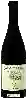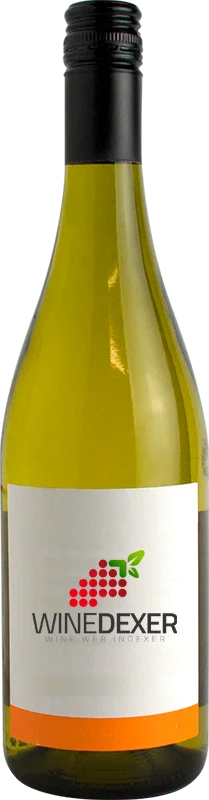
Château CapitoulGrand Terroir Languedoc Blanc
 White wine


In the mouth this white wine is a .
This wine generally goes well with vegetarian, poultry or lean fish.

Taste structure of the Grand Terroir Languedoc Blanc from the Château Capitoul
Light | Bold | |
Dry | Sweet | |
Soft | Acidic |
In the mouth the Grand Terroir Languedoc Blanc of Château Capitoul in the region of Languedoc-Roussillon is a .
Food and wine pairings with Grand Terroir Languedoc Blanc
Pairings that work perfectly with Grand Terroir Languedoc Blanc



Original food and wine pairings with Grand Terroir Languedoc Blanc


The Grand Terroir Languedoc Blanc of Château Capitoul matches generally quite well with dishes of pasta, vegetarian or poultry such as recipes of pasta with pistou, leek, goat cheese and bacon quiche or the chicken with rice of the mother michèle.
Details and technical informations about Château Capitoul's Grand Terroir Languedoc Blanc.
Discover the grape variety: Charbono
Deep-coloured, fruity reds with a sustained purple colour, firm yet rounded tannins and a dense, fresh palate; signature aromas of black fruits (blackberry, blackcurrant), red fruits (cherry), spices and herbal notes. Grown in California as Charbono and in Argentina as Bonarda for characterful reds. Indigenous Italian black grape from Piedmont (Douce Noir), identical to Argentina's Bonarda by DNA analysis.
Last vintages of this wine

The best vintages of Grand Terroir Languedoc Blanc from Château Capitoul are 2014, 2013, 2016, 2012 and 2015.
Informations about the Château Capitoul
The Château Capitoul is one of of the world's great estates. It offers 41 wines for sale in the of Languedoc-Roussillon to come and discover on site or to buy online.

The wine region of Languedoc-Roussillon
Largest single French vineyard, dominated by sunny, generous reds. Spicy Syrah, candied Grenache (ripe fruit, garrigue), structured Carignan, deep Mourvèdre, supple Cinsault. Stars: structured Corbières, Minervois, Faugères, Saint-Chinian; round Côtes-du-Roussillon. Legendary vins doux naturels: Banyuls and Maury (fortified Grenache) with notes of cocoa, fig, prune.
The word of the wine: Black Grenache
Grenache is a black grape variety that originated in Spain and is one of the great quality varieties of southern France. Sometimes vinified on its own, it is most often blended with one or more other Rhone or southern grape varieties with complementary qualities such as Syrah, Mourvèdre, Carignan or Cinsault. Its wines are warm, with aromas of red fruits (cherry) and spices; they oxidize with time. Vinified alone or in very large proportions, Grenache Noir also makes great natural sweet wines in Roussillon (Rivesaltes, Banyuls, Maury) and in the Rhône Valley (Rasteau).