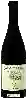
Winery FortantCuvée de l'an 2000
 Red wine
This wine generally goes well with beef, veal or pasta.

Food and wine pairings with Cuvée de l'an 2000
Pairings that work perfectly with Cuvée de l'an 2000



Original food and wine pairings with Cuvée de l'an 2000
The Cuvée de l'an 2000 of Winery Fortant matches generally quite well with dishes of beef, pasta or veal such as recipes of beef fillet in a crust, salmon and spinach lasagna or veal paupiettes with forestry sauce.
Details and technical informations about Winery Fortant's Cuvée de l'an 2000.
Discover the grape variety: Cabernet-Sauvignon
Structured, tannic reds, deeply coloured, with aromas of blackcurrant, blackberry, cedar, tobacco and graphite, underpinned by firm acidity and fine ageing potential. Cornerstone of the great Médoc estates (Pauillac, Saint-Estèphe, Saint-Julien) and signature of Napa Valley, Coonawarra and Maipo. The world's most planted red variety, a natural cross of Cabernet Franc x Sauvignon Blanc born in Bordeaux.
Informations about the Winery Fortant
The Winery Fortant is one of of the world's great estates. It offers 105 wines for sale in the of Languedoc-Roussillon to come and discover on site or to buy online.

The wine region of Languedoc-Roussillon
Largest single French vineyard, dominated by sunny, generous reds. Spicy Syrah, candied Grenache (ripe fruit, garrigue), structured Carignan, deep Mourvèdre, supple Cinsault. Stars: structured Corbières, Minervois, Faugères, Saint-Chinian; round Côtes-du-Roussillon. Legendary vins doux naturels: Banyuls and Maury (fortified Grenache) with notes of cocoa, fig, prune.
The word of the wine: Bitter (flavor)
A flavour generally provided in wines by polyphenols and accompanied by a sensation of pungency. In small quantities, bitterness makes you salivate, gives relief to the wine and reinforces its sapidity.