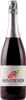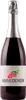
Winery Formaggini PeveriCasa Piccioni Gutturnio Frizzante
 Red wine
In the mouth this red wine is a .
This wine generally goes well with poultry, beef or veal.

Taste structure of the Casa Piccioni Gutturnio Frizzante from the Winery Formaggini Peveri
Light | Bold | |
Smooth | Tannic | |
Dry | Sweet | |
Soft | Acidic |
In the mouth the Casa Piccioni Gutturnio Frizzante of Winery Formaggini Peveri in the region of Emilia-Romagna is a .
Food and wine pairings with Casa Piccioni Gutturnio Frizzante
Pairings that work perfectly with Casa Piccioni Gutturnio Frizzante



Original food and wine pairings with Casa Piccioni Gutturnio Frizzante

The Casa Piccioni Gutturnio Frizzante of Winery Formaggini Peveri matches generally quite well with dishes of beef, pasta or veal such as recipes of oxtail and carrot stew, my lasagna bolognese (without béchamel sauce) or pork shank stew.
Details and technical informations about Winery Formaggini Peveri's Casa Piccioni Gutturnio Frizzante.
Discover the grape variety: Couderc noir
Simple, fruity reds with a colourful ruby robe, light tannins and unassertive aromas of red and black fruits with herbaceous, foxy notes typical of hybrid grapes. A rustic phylloxera-resistant profile. Now marginal, it survives in a few French parcels and ampelographic collections, a witness to post-phylloxera hybridisation.
Informations about the Winery Formaggini Peveri
The Winery Formaggini Peveri is one of of the world's greatest estates. It offers 7 wines for sale in the of Emilia-Romagna to come and discover on site or to buy online.

The wine region of Emilia-Romagna
Kingdom of Lambrusco: fresh, fruity sparkling reds (blackberry, cherry, violet), from gourmet dry to convivial off-dry, perfect with local charcuterie. World's best-selling sparkling wine on the Emilia side (Sorbara, Grasparossa, Salamino). East, Romagna: supple fruity Sangiovese, Albana (Italy's 1st white DOCG, 1987) ample and almondy. Also red Gutturnio and white Pignoletto.
The word of the wine: Old vines
There are no specific regulations governing the term "vieilles vignes". After 20 to 25 years, the yields stabilize and tend to decrease, the vines are deeply rooted, and the grapes that come from them give richer, more concentrated, more sappy wines, expressing with more nuance the characteristics of their terroir. It is possible to find plots of vines that claim to be a century old.