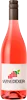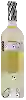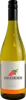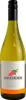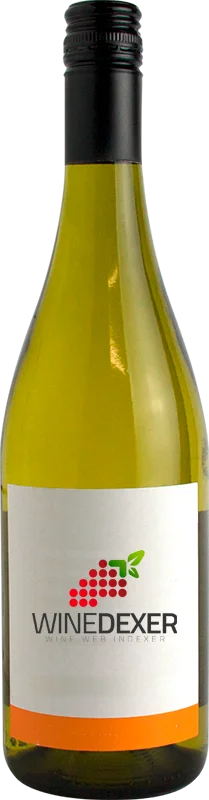
Winery Fonte do NicoFashion Branco
 White wine


In the mouth this white wine is a .
This wine generally goes well with pork, lean fish or shellfish.
Taste structure of the Fashion Branco from the Winery Fonte do Nico
Light | Bold | |
Dry | Sweet | |
Soft | Acidic |
In the mouth the Fashion Branco of Winery Fonte do Nico in the region of Península de Setúbal is a .
Food and wine pairings with Fashion Branco
Pairings that work perfectly with Fashion Branco



Original food and wine pairings with Fashion Branco

The Fashion Branco of Winery Fonte do Nico matches generally quite well with dishes of pasta, pork or shellfish such as recipes of flammekueche with munster cheese, coconut beans or monkfish in foil.
Details and technical informations about Winery Fonte do Nico's Fashion Branco.
Discover the grape variety: Albarino
It is a Spanish variety, in Galicia to be precise, with its cradle in the Rias Baixas area, around Pontevedra and up to Orense. It would be a close relative of the Loureiro. Widely cultivated in Portugal, ... in France, it is registered in the Official Catalogue of wine grape varieties, list A1.
Last vintages of this wine

The best vintages of Fashion Branco from Winery Fonte do Nico are 0, 2012, 2011
Informations about the Winery Fonte do Nico
The Winery Fonte do Nico is one of of the world's greatest estates. It offers 11 wines for sale in the of Península de Setúbal to come and discover on site or to buy online.

The wine region of Península de Setúbal
Setúbal Peninsula (also known as Península de Setúbal) is the Portuguese wine region immediately southeast of Lisbon, across the Tejo estuary. The Terroir in the area ranges from sandy coastal plains to the craggy, limestone-rich Serra Arribida hills. The area is known for its Dry red wines made from Castelão, and for its fortified wines and Sweet Moscatel de Setúbal. The wines produced here are made under three titles: two DOCs, Palmela and Setúbal, and one IGP.
The word of the wine: Sabrer (champagne)
A cavalier and folkloric way of opening a bottle of champagne by breaking the neck with a sharp blow given with the top of the blade of a sabre.