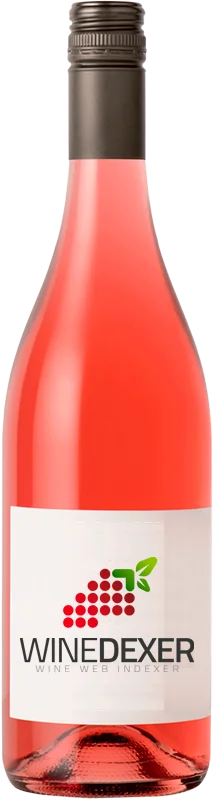
Château FontblancheBordeaux Rosé
 Pink wine
This wine generally goes well with beef, lamb or mature and hard cheese.
Food and wine pairings with Bordeaux Rosé
Pairings that work perfectly with Bordeaux Rosé



Original food and wine pairings with Bordeaux Rosé

The Bordeaux Rosé of Château Fontblanche matches generally quite well with dishes of shellfish, vegetarian or poultry such as recipes of blanquette of monkfish and scallops, quiche without eggs or quiche with leeks and fresh salmon from flo.
Details and technical informations about Château Fontblanche's Bordeaux Rosé.
Discover the grape variety: Gamay de Bouze
Gamay de Bouze is a grape variety known since the 19th century. Originally from Burgundy, it is found, in increasingly small areas, in the vineyards of the Cher Valley. It was used, among other things, to add a little colour to wines that lacked it. Petit mourot, rouge de couchey or rouge de bouze are the other names for this grape variety with small bunches. Sometimes winged, these are cylindrical in shape and bear berries of varying sizes. The colour of the fruit shells, bluish black, is characteristic, as is the intense red of the leaves in autumn. The leaves come from buds that appear early. They are borne by vines that are pruned short and upright. Of average vigor, Gamay de Bouze is found in soils of low fertility. It must be protected from wood diseases and chlorosis. The vinification of the rosé juice from the pulp gives a product with notes of black fruit.
Informations about the Château Fontblanche
The Château Fontblanche is one of of the world's greatest estates. It offers 4 wines for sale in the of Bordeaux to come and discover on site or to buy online.

The wine region of Bordeaux
Bordeaux, in southwestern France, is one of the most famous, prestigious and prolific wine regions in the world. The majority of Bordeaux wines (nearly 90% of the production Volume) are the Dry, medium and Full-bodied red Bordeaux blends for which it is famous. The finest (and most expensive) are the wines of the great châteaux of Haut-Médoc and the right bank appellations of Saint-Émilion and Pomerol. The former focuses (at the highest level) on Cabernet Sauvignon, the latter on Merlot.
The word of the wine: Turbidity
The state of a cloudy wine, due to the presence of colloidal suspensions that prevent the passage of light.